Prefer Jewish News on Google
Home Secretary orders review of public order and hate crime laws after Manchester synagogue attack
Shabana Mahmood said the Yom Kippur terror attack 'happened at a time of growing concern about protests and hate crimes in this country'
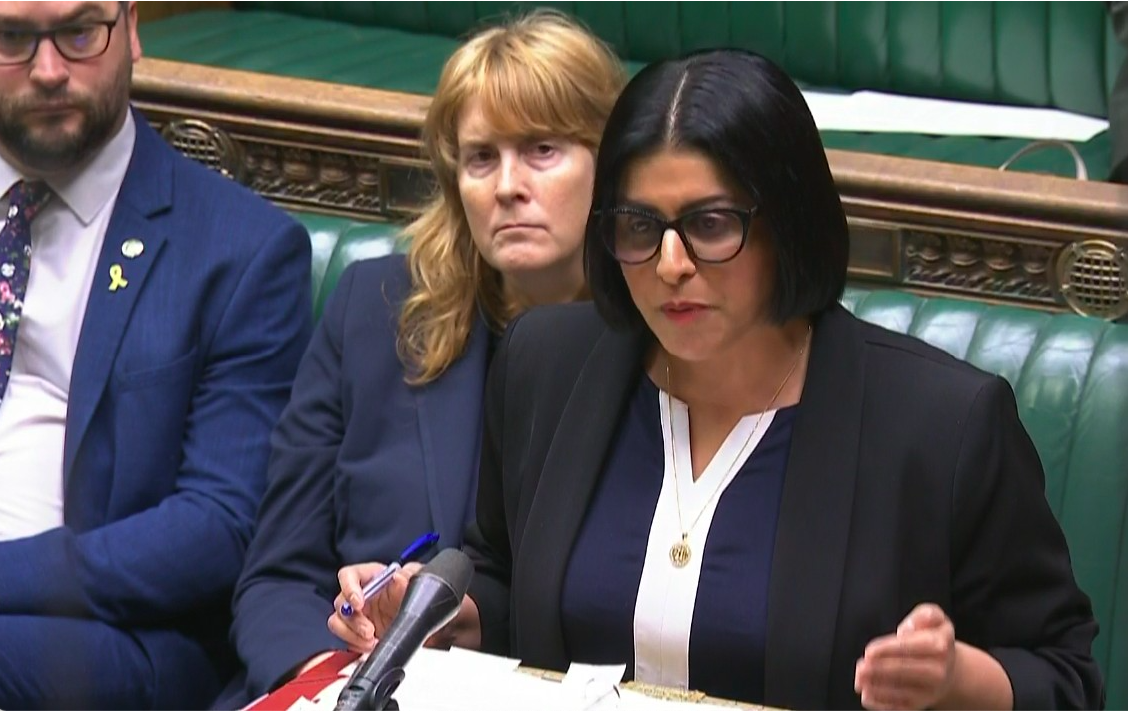
Home Secretary Shabana Mahmood has announced an independent review of the UK’s public order and hate crime legislation in the wake of last month’s terrorist attack on a Manchester synagogue.
The review, to be led by Lord Macdonald of River Glaven KC, will examine whether current laws effectively balance the need to protect communities from hate and intimidation with the rights to free speech and peaceful protest.
It will also assess whether police powers to manage protests—such as recent pro-Palestine demonstrations—are proportionate and whether the law sufficiently addresses offences related to aggravated behaviour and the “stirring up” of hatred.
Key areas of focus will include the impact of protests and hate crimes on community cohesion and public safety, as well as concerns over disruptive or intimidating demonstrations.



The review will also consider whether recent amendments to the Crime and Policing Bill—which require police to consider the cumulative impact of protests in particular locations—are being implemented effectively.
Lord Macdonald, a former Director of Public Prosecutions, will be supported by Owen Weatherill, the National Police Chiefs’ Council Lead for Civil Contingencies and National Mobilisation.
Announcing the review, the Home Secretary said:“The terrorist attack in Manchester on 2 October shocked the nation and showed how hatred and division can fuel violence.
“It happened at a time of growing concern about protests and hate crimes in this country. Our laws must protect the public, while upholding the right to protest and free speech.
“That is why we have asked Lord Macdonald to lead this review. His experience will ensure it is thorough and independent. Lawful protest and free speech are fundamental rights, but we cannot allow them to be abused to spread hate or cause disorder. The law must be fit for purpose and consistently applied.”

The review’s terms of reference will be set out in the coming weeks, with its work expected to begin imminently and conclude by February 2026.
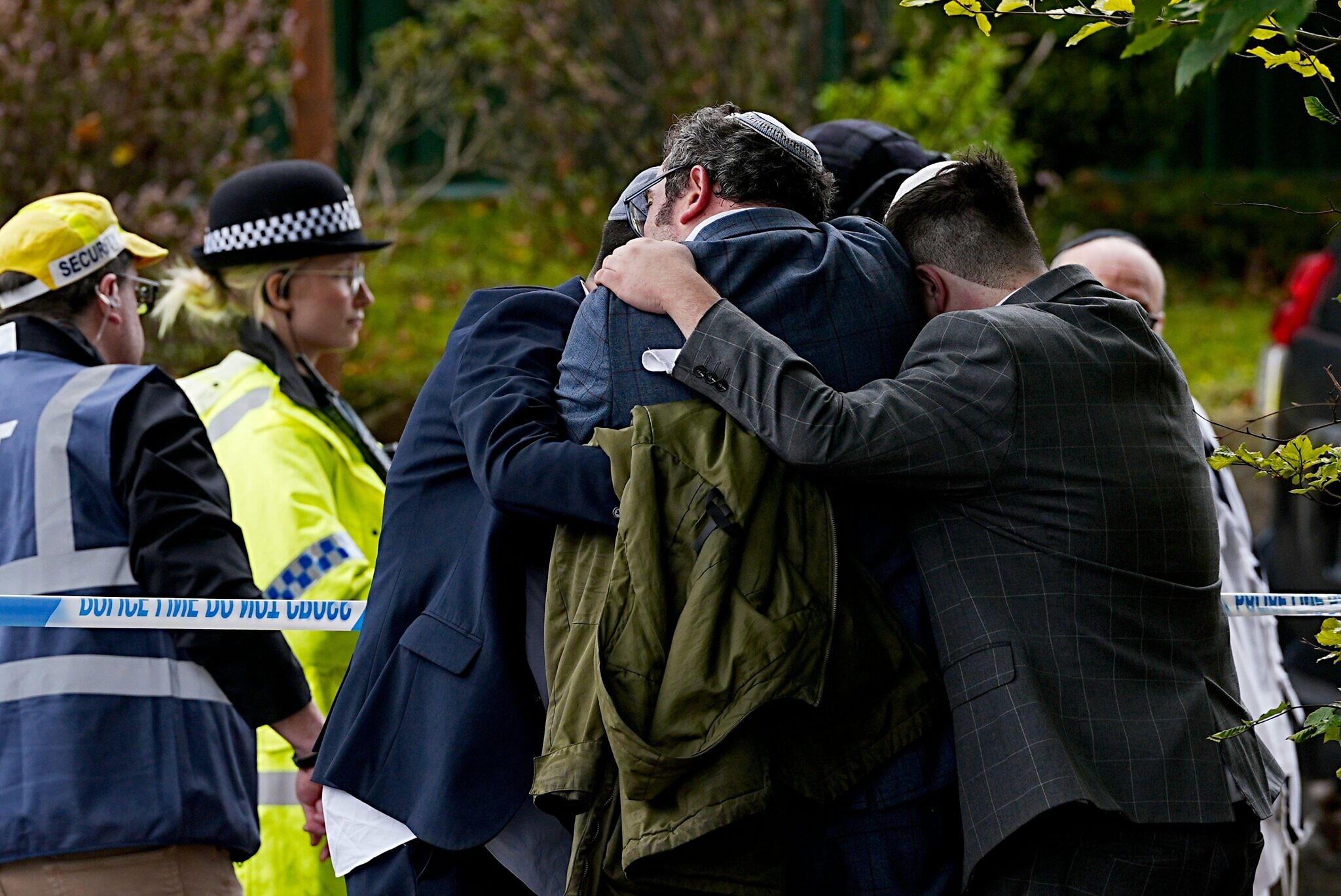
On October 2, Yom Kippur,Jihad al-Shamie, a 35-year-old British citizen born in Syria who lived nearby in Prestwich, drove a car into pedestrians before stabbing worshippers at the Heaton Park Hebrew Congregation in Higher Crumpsall.
Three people were killed in the incident, including the attacker and a worshipper who were both shot dead by police.
Three other people were injured and treated in hospital; one was hit by the car, one had a stab wound and the third was wounded by police gunfire. The incident was declared a terrorist attack later that day.
Pro-Palestinian protests went ahead in both London and Manchester days later, prompting anger amongst most in the community.

Keep community journalism free.
Jewish News is free for everyone. No paywall. No barriers. Just trusted journalism for anyone who wants to stay connected to Jewish life in Britain.
If you value that, please support us.
From as little as £5 a month, you can help keep our journalism free and accessible to all.
Every day, we report on the issues that matter to our community. We celebrate achievements, support charities, challenge antisemitism and ensure Jewish voices are heard more widely.
From as little as £5 a month, you can help us continue to:
- Report on the stories shaping Jewish life in the UK and beyond
- Bring our community together through shared stories, events and campaigns
- Celebrate the people, culture and moments that define our community
- Support organisations doing vital work across Jewish Britain
You can make a one-off donation or become a regular supporter. Every contribution helps keep our journalism free, independent and accessible to all.
If everyone who values Jewish News gave a small amount, it would make a real difference to our future.