Prefer Jewish News on Google
Jewish doctors ‘increasingly fear colleagues more than patients’
Dr Fiona Sim says rising antisemitism has transformed the Jewish Medical Association as doctors lose confidence in parts of the profession
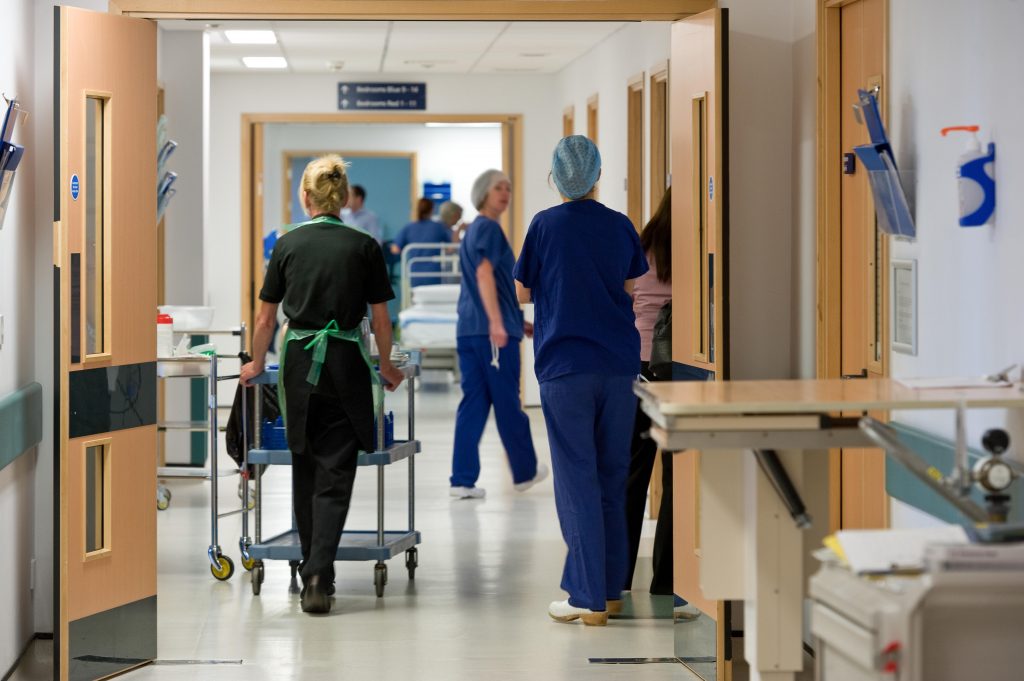
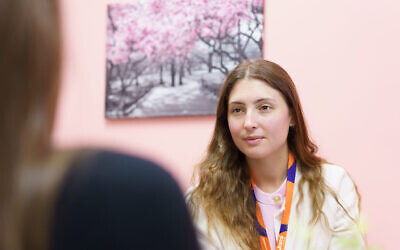
Jewish doctors are increasingly turning to the Jewish Medical Association (JMA) over concerns about colleagues rather than patients, the organisation’s new chair has revealed, as she described growing demand for help following the 7 October attacks.
In her first interview with Jewish News since becoming chair earlier this year, Dr Fiona Sim said workplace issues now dominate many of the concerns reaching the organisation.
“The great majority of concern is about colleagues,” she said. “It’s not so much about patients.”
Sim succeeds Professor David Katz after 18 years as chair, taking over an organisation whose role has changed significantly in recent years.
Once focused largely on education and professional networking, the JMA now represents around 1,200 doctors, dentists, nurses, pharmacists, psychologists, physiotherapists, students and other healthcare professionals, while increasingly helping those facing antisemitism.


Sim’s own involvement deepened during the 2021 Israel-Gaza conflict, when she began advising Jewish healthcare professionals experiencing antisemitism. That work escalated after 7 October.
“A huge amount of the effort of JMA has been in addressing antisemitism,” she said. “People found out, ‘Contact Fiona’… regardless of whether you were a member of JMA or not. Somebody had to be out there for these guys.”
Much of that work remained confidential.
“It was all behind the scenes,” she said. “Supporting people and making sure that their names didn’t come out in public if they didn’t want them to.”
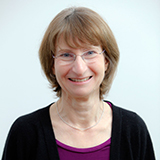
Sim, a public health physician with decades of experience in medicine and healthcare regulation, said she took on the chairmanship because “it was time to give something back.”
“I thought this was something useful… to help build the organisation into the next era.”
Central to that ambition is making the JMA what she describes as a “professional home” for Jewish healthcare professionals, rather than an organisation defined solely by antisemitism.
But concerns over the treatment of Jewish doctors now extend beyond individual workplaces to some of the institutions responsible for representing the profession.
It’s a hostile environment, very largely, for Jewish doctors, for Jewish members
Sim remains a member of the British Medical Association (BMA) and praised the “excellent advice” its grassroots trade union representatives can provide. Her assessment of the wider organisation, however, was stark.
“It’s a hostile environment, very largely, for Jewish doctors, for Jewish members,” she said.
Her comments follow the BMA’s Annual Representative Meeting in June, where delegates backed a motion opposing the IHRA definition of antisemitism and called for a pause in implementing recommendations from Lord Mann’s review into antisemitism and other forms of racism in the NHS.
Sim said she wrote to the chair of the conference before the meeting explaining why she believed the IHRA motion should not be debated. After it went ahead and passed, she wrote again.
“I’m still waiting to hear,” she said.
She described the small group of Jewish doctors who continue attending the BMA conference as “very courageous”, but said persuading others to become involved was difficult because “it’s not a particularly inviting environment”.
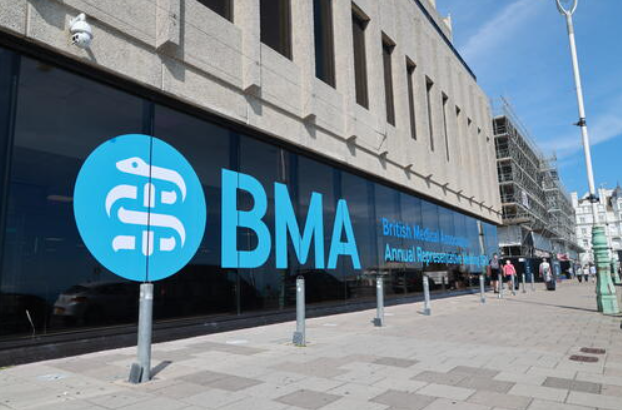
Sim said she still wants engagement with the BMA but admitted: “I can’t say I’m terribly optimistic at the moment.”
“What I would like it to be is a fully inclusive organisation for doctors from any background, any race, any faith,” she said.
“Jewish doctors definitely feel as though they are being excluded from a lot of the policies that the BMA is adopting.”
Some, she said, have already cancelled their membership.
“We have to try to engage, I think, to try and change that. But increasingly, Jewish doctors are leaving the BMA because they feel that they’ve given it enough time and things are not getting better.”
Sim also strongly backed Lord Mann’s review, which made recommendations aimed at tackling antisemitism and other forms of racism across the health service.
“The fact is that he was saying, ‘We want Jewish patients and Jewish members of staff to feel comfortable in the NHS.’
“I think that’s such an important sentiment, that we all deserve to feel comfortable in a service that we either use as patients, or work in.”
Sim said the review was also important in confronting calls within healthcare to boycott Israeli institutions, warning that political disputes should not interfere with professional and medical collaboration.
“We’ve seen people wanting to boycott Israeli healthcare organisations and Israeli academics,” she said. “That’s something that really concerns us, because medicine and healthcare should be about working together and sharing knowledge, not excluding people because they’re Israeli.”

The JMA now hopes the new government will continue efforts to implement the review and tackle antisemitism across healthcare.
Sim also welcomed plans for the Jewish Health Equity Partnership (JHEP), a five-year initiative backed by £1.5 million from the National Lottery Community Fund and led by the Board of Deputies alongside the London Jewish Forum.
The JMA is already discussing how it can contribute.
“We think we’ve got quite a lot to offer and we want to be working with them,” Sim said.
Another concern is whether the current climate is contributing to British Jewish doctors considering Aliyah.
Sim said there appear to be two groups: established doctors deciding they have “had enough”, and younger medics considering whether to build their careers in Israel from the outset.
“I don’t know if the numbers are huge. This is something we would quite like to monitor going forward.”
But she has noticed a change in attitude among some contemplating leaving Britain.
“Anecdotally, I get the feeling that increasingly people are saying, ‘You know what? I’m going, and I know I’m not going to come back.’”
She stressed that the trend extends beyond Jewish doctors, saying the NHS has become a “much more challenging environment” for healthcare staff, with more recently qualified doctors and other health professionals appearing to leave Britain than in the past, including for Australia, New Zealand and Canada.
I don’t want JMA to be only known for fighting antisemitism.
For Sim, the challenge now is to ensure the JMA can respond to antisemitism without allowing it to define the organisation.
“I don’t want JMA to be only known for fighting antisemitism,” she said,
Instead, she wants it to educate, support Jewish healthcare professionals, strengthen the links with medical colleagues in Israel and become a stronger voice across British healthcare.
Her aim is simple: “I definitely want us to be identified as the home for Jewish healthcare professionals.”
“Something that works well. Something that people want to be part of.”

Keep community journalism free.
Jewish News is free for everyone. No paywall. No barriers. Just trusted journalism for anyone who wants to stay connected to Jewish life in Britain.
If you value that, please support us.
From as little as £5 a month, you can help keep our journalism free and accessible to all.
Every day, we report on the issues that matter to our community. We celebrate achievements, support charities, challenge antisemitism and ensure Jewish voices are heard more widely.
From as little as £5 a month, you can help us continue to:
- Report on the stories shaping Jewish life in the UK and beyond
- Bring our community together through shared stories, events and campaigns
- Celebrate the people, culture and moments that define our community
- Support organisations doing vital work across Jewish Britain
You can make a one-off donation or become a regular supporter. Every contribution helps keep our journalism free, independent and accessible to all.
If everyone who values Jewish News gave a small amount, it would make a real difference to our future.