Prefer Jewish News on Google

How Vera Schaufeld shaped Britain’s understanding of the Holocaust
Her testimony became a cornerstone of UK Holocaust education, reaching and inspiring thousands nationwide
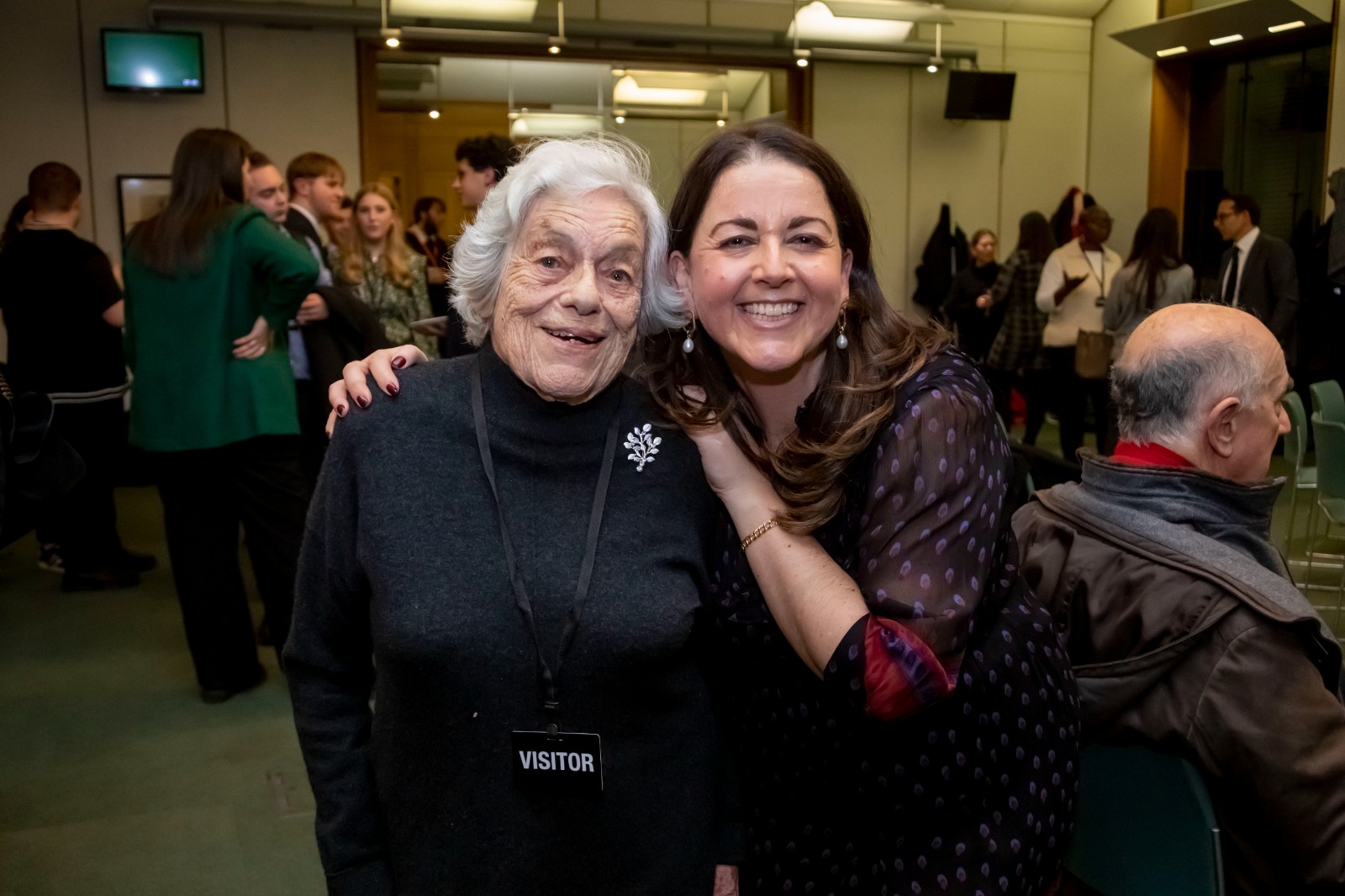
Last week, we said goodbye to our dear friend Vera Schaufeld MBE, a woman whose quiet strength shaped all who had the privilege of hearing her story. Vera was nine years old when she arrived in Britain on the Kindertransport, sent from Nazi-occupied Czechoslovakia by parents who loved her enough to let her go. It was an act of extraordinary courage and devastating consequence, for they were never reunited.
Born in 1930 in Klatovy, Vera enjoyed a childhood filled with warmth and promise. Her father was a lawyer deeply rooted in the Jewish community, and her mother was one of the first female doctors in the region. Their home was loving and secure until the Nazi invasion tore that safety apart. One afternoon, after school, her mother took her to a park and calmly explained that as Jews they were no longer safe. Vera would be leaving for England. Her parents, heartbreakingly, could not go with her.
Her last memory of them was at the station: the barrier between them, their white handkerchiefs waving, and the overwhelming fear of a child stepping onto a train alone. Before the war began in earnest, letters arrived regularly. “To our darling,” they began, filled with tenderness. Then, abruptly, they stopped. Vera held on to the belief that it was simply the chaos of war and that she would return home when peace came. On VE Day, that hope rose once more. But soon after, a letter from the Red Cross confirmed what she had never wanted to imagine. Her entire family had been murdered.
“Everyone from my family had gone, and there was nothing left to go back to,” she later said. “And I knew that I just had to get on with my life, and that’s what I did.” She was 14 years old.
What remained of her former life were a necklace and bracelet hidden for her, treasured photographs and those precious letters. Yet from this profound loss came remarkable determination. Vera did not define her life by tragedy, though it shaped every part of it. She honoured her parents by living with purpose, dignity and an unwavering commitment to educating others against intolerance, hatred and antisemitism. She built a future while remaining deeply connected to her past.


Vera later met her husband, Avram, an Auschwitz survivor, on a kibbutz in Israel. They built a family and life together in London. She became a dedicated teacher, supporting children who, like her younger self, had been forced to leave their home countries. When she began sharing her testimony publicly, she did so with humility and clarity, reaching thousands across the country.
Her home reflected a life lived with curiosity and gratitude. In her living room sat a bowl filled with stones and pebbles gathered from every country she visited. They were simple objects, yet they spoke to her desire to hold on to something tangible, having lost so much from her early world.
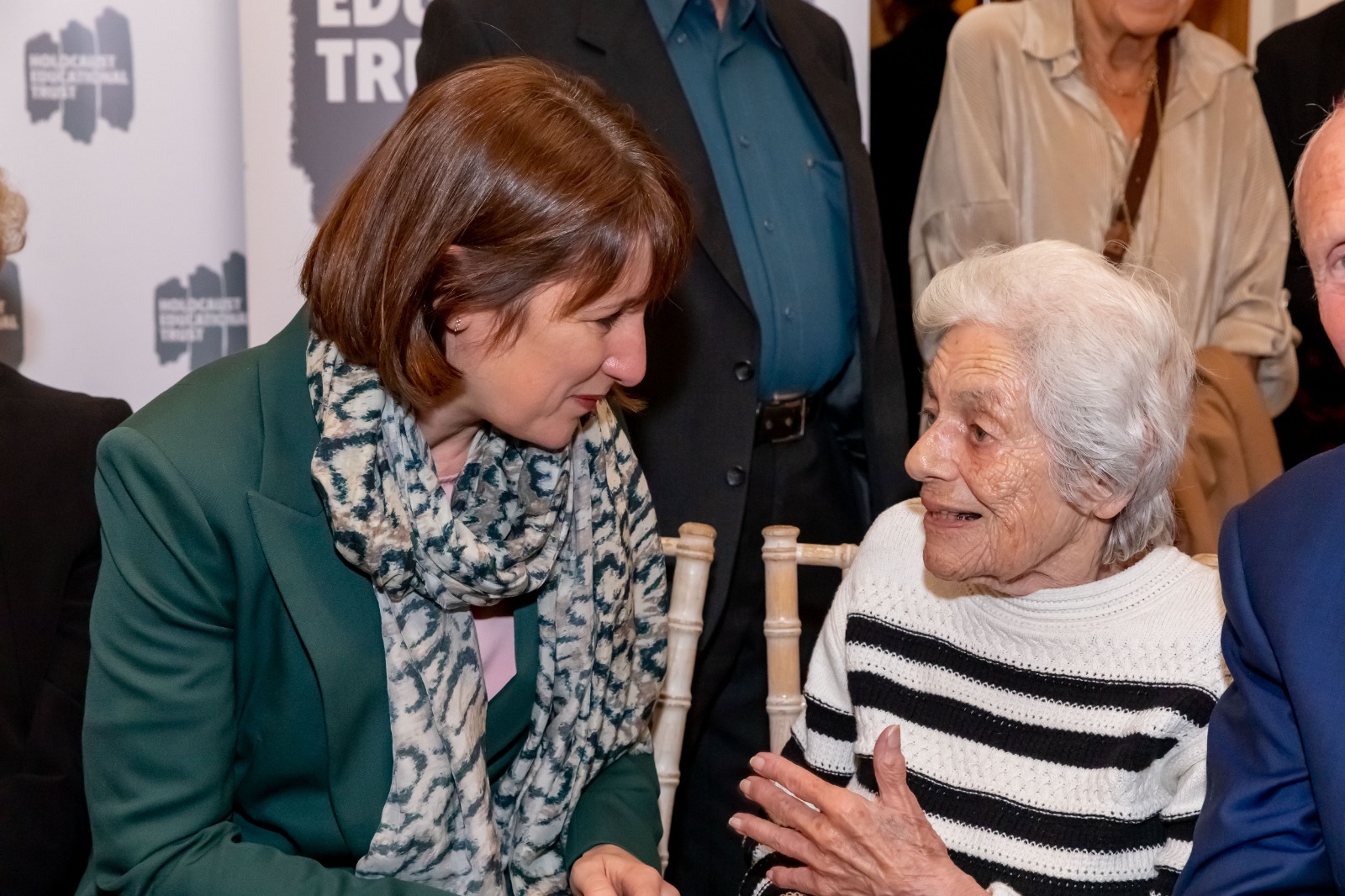
Vera remained acutely aware of the lessons she wished to leave behind. She believed that education must be grounded in empathy and kindness. She looked at today’s world with sorrow. The suffering we witness and the alarming rise in antisemitism and division troubled her deeply.
The world is sadly darker now that Vera has passed. It is now for us to demonstrate the values she championed so strongly: empathy, compassion and a commitment to education that deepens understanding rather than hardens division. With every survivor who passes, it becomes our responsibility to ensure that their memory, that of their families, and that of the six million Jewish men, women and children, is never forgotten.
- Karen Pollock CBE, is the chief executive of the Holocaust Educational Trust

Keep community journalism free.
Jewish News is free for everyone. No paywall. No barriers. Just trusted journalism for anyone who wants to stay connected to Jewish life in Britain.
If you value that, please support us.
From as little as £5 a month, you can help keep our journalism free and accessible to all.
Every day, we report on the issues that matter to our community. We celebrate achievements, support charities, challenge antisemitism and ensure Jewish voices are heard more widely.
From as little as £5 a month, you can help us continue to:
- Report on the stories shaping Jewish life in the UK and beyond
- Bring our community together through shared stories, events and campaigns
- Celebrate the people, culture and moments that define our community
- Support organisations doing vital work across Jewish Britain
You can make a one-off donation or become a regular supporter. Every contribution helps keep our journalism free, independent and accessible to all.
If everyone who values Jewish News gave a small amount, it would make a real difference to our future.