Prefer Jewish News on Google

Israel election: What’s happened so far as Netanyahu falls short of majority
Arab parties make historic gains as Israel faces difficult talks over its next government and allegations of voter fraud
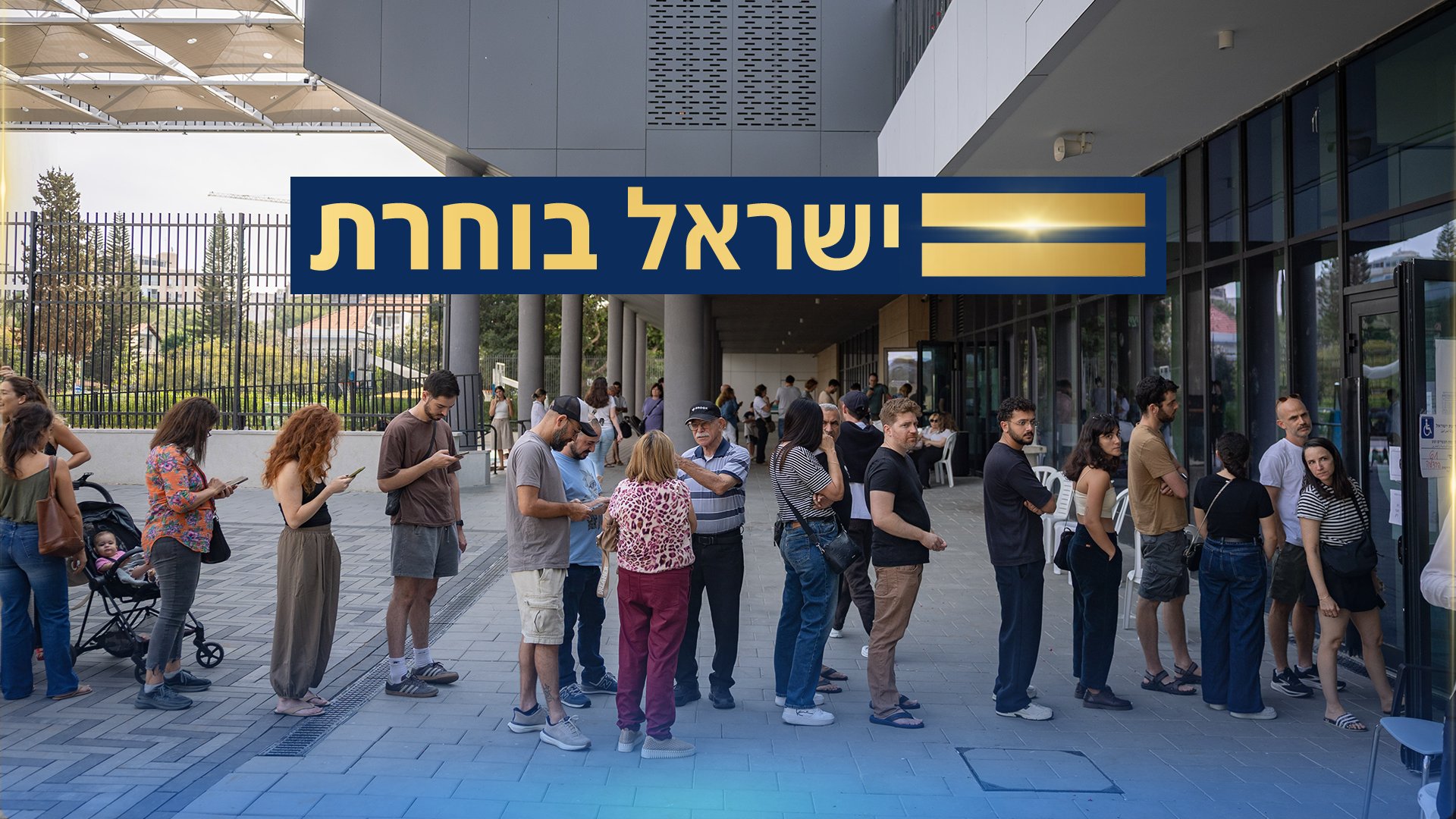
Benjamin Netanyahu has fallen short of a majority in Israel’s election, with record gains for Arab parties leaving the country facing difficult talks over who will form its next government.
With 85.6 percent of votes counted following Tuesday’s election, the prime minister’s right-wing bloc is projected to win 53 seats in the Knesset, Israel’s 120-seat parliament.
His main rival, former army chief Gadi Eisenkot, leads a group of Jewish-led opposition parties expected to win 48 seats, while Arab parties are on course to secure a historic 19.
A government needs the support of at least 61 members of parliament for a majority, meaning neither Netanyahu nor Eisenkot has enough seats on their own.
The result marks a major breakthrough for Arab parties, which held just 10 seats in the outgoing parliament.

Together, Eisenkot’s bloc and the Arab parties would have 67 seats, enough for a majority. However, Eisenkot and several other opposition leaders have ruled out forming a government with Arab parties.
Joint List leader Yousef Jabareen has indicated that his party is willing to work with Netanyahu’s opponents to bring about a change of government.
The election has also sparked a dispute over alleged voter fraud.
On Wednesday, Netanyahu’s Likud party claimed the election had been “stolen” by Arab parties and demanded an investigation into alleged bribery, threats and people voting more than once.

Israel’s Central Elections Committee has since confirmed it is reviewing Likud’s complaint as part of its usual checks into possible election fraud.
The committee said it was examining complaints from all political parties, as it does after every election. No widespread fraud has been established.
President Isaac Herzog has meanwhile urged political leaders to work together and avoid another election.
“We must do everything we can, certainly after yesterday, to avoid another round of elections. So I expect everyone who comes here to come with an open mind,” he said on Wednesday.
Herzog is expected to begin talks with the parties next week, after receiving the official election results.
Turnout reached nearly 78 percent, with the European Union praising Israel’s “vibrant democracy” and expressing hope for cooperation with its next government.
The final seat numbers could still change, with election officials estimating that between 430,000 and 480,000 special ballots, including votes from soldiers and diplomats, are still being processed.
The full count is expected on Thursday, with official results due on 4 November.
Netanyahu remains prime minister while parties attempt to form a new government. If they cannot reach an agreement, Israel could face another election.

Keep community journalism free.
Jewish News is free for everyone. No paywall. No barriers. Just trusted journalism for anyone who wants to stay connected to Jewish life in Britain.
If you value that, please support us.
From as little as £5 a month, you can help keep our journalism free and accessible to all.
Every day, we report on the issues that matter to our community. We celebrate achievements, support charities, challenge antisemitism and ensure Jewish voices are heard more widely.
From as little as £5 a month, you can help us continue to:
- Report on the stories shaping Jewish life in the UK and beyond
- Bring our community together through shared stories, events and campaigns
- Celebrate the people, culture and moments that define our community
- Support organisations doing vital work across Jewish Britain
You can make a one-off donation or become a regular supporter. Every contribution helps keep our journalism free, independent and accessible to all.
If everyone who values Jewish News gave a small amount, it would make a real difference to our future.