Prefer Jewish News on Google
Israeli teams scoop Ig-nobel prizes at 35th Awards ceremony
Science's least glamorous acknowledgement took place at Boston University on Thursday evening, with Israeli triumphs in Chemistry and Aviation
As every Jewish great uncle will remind you at the Shabbat table, Jews have won a remarkable number of Nobel prizes. But now a pair of Ig-Nobel prizes has been added to that number, after Israelis won the anti-awards for proving that being drunk impairs the ability of bats to fly effectively, and for experimenting to see if Teflon non-stick coating could reduce calorie intake.
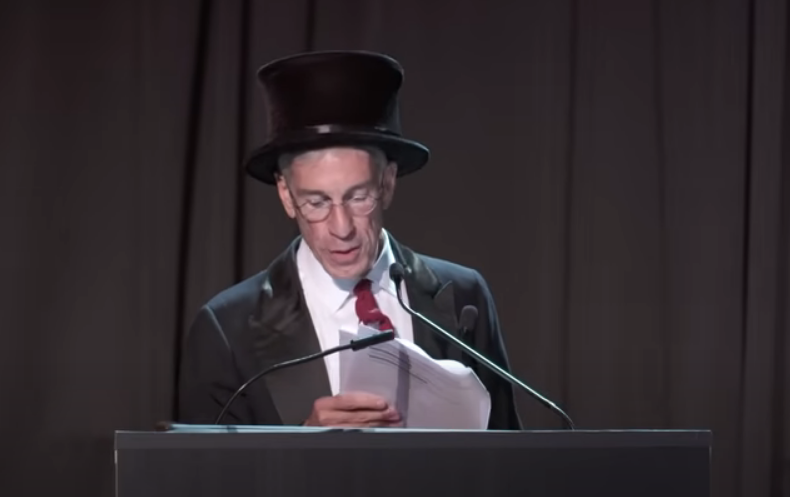
The Ig-Nobels, started 35 years ago by Jewish-American scientist Marc Abrahams, editor of the scientific humour magazine, Annals of Improbable Research. In place of the $1 million given to Nobel prize winners, Ig-nobel winners traditionally received a 10 trillion Zimbabwean Dollar banknote. However, this tradition has been discontinued, reportedly “due to inflation”, and winners now receive a wet wipe. Adding to the drama, the Ig-nobel prizes are usually given to the winners by previous actual Nobel prize winners.
At this year’s ceremony at Boston University, a joint Israeli-American team took the Chemistry prize for their experimentation on whether Teflon could bulk up food for consumption, before then effortlessly sliding out of the digestive system.
Meanwhile, the Aviation prize went to Prof. Berry Pinshow and Prof. Carmi Korine from the Ben Gurion university of the Negev, along with their two research students at the time, for their discovery 15 years ago that bats which ingested ethanol “flew slower and were less able to locate their roosts using their unique tongue-clicking echolocation.” The winged research was made a more difficult proposition by the fact that the bats – apparently smarter than humans in this regard – were apparently distinctly uninterested in consuming the ethanol being offered to them.
“At first, we were a little dubious that we were being had on”, said Pinshow, “but a letter from Marc Abrahams…settled our doubts. Then we were elated – who wouldn’t be? Science is certainly serious but it’s also fun and intellectually very satisfying.”



Abrahams, who also acts as the awards’ Master of Ceremonies, is clear about the meaning of the prize.
“Every Ig Nobel prize winner has done something that first makes people laugh, and then makes them think,” he said.

Keep community journalism free.
Jewish News is free for everyone. No paywall. No barriers. Just trusted journalism for anyone who wants to stay connected to Jewish life in Britain.
If you value that, please support us.
From as little as £5 a month, you can help keep our journalism free and accessible to all.
Every day, we report on the issues that matter to our community. We celebrate achievements, support charities, challenge antisemitism and ensure Jewish voices are heard more widely.
From as little as £5 a month, you can help us continue to:
- Report on the stories shaping Jewish life in the UK and beyond
- Bring our community together through shared stories, events and campaigns
- Celebrate the people, culture and moments that define our community
- Support organisations doing vital work across Jewish Britain
You can make a one-off donation or become a regular supporter. Every contribution helps keep our journalism free, independent and accessible to all.
If everyone who values Jewish News gave a small amount, it would make a real difference to our future.