Prefer Jewish News on Google
Jesse Jackson’s daughter tells Holocaust survivors: ‘I have to live my truth’
Newly-converted Jew Ashley Jackson recalls her late father’s support for her Jewish journey as Holocaust survivors praise her decision to embrace Judaism despite rising antisemitism
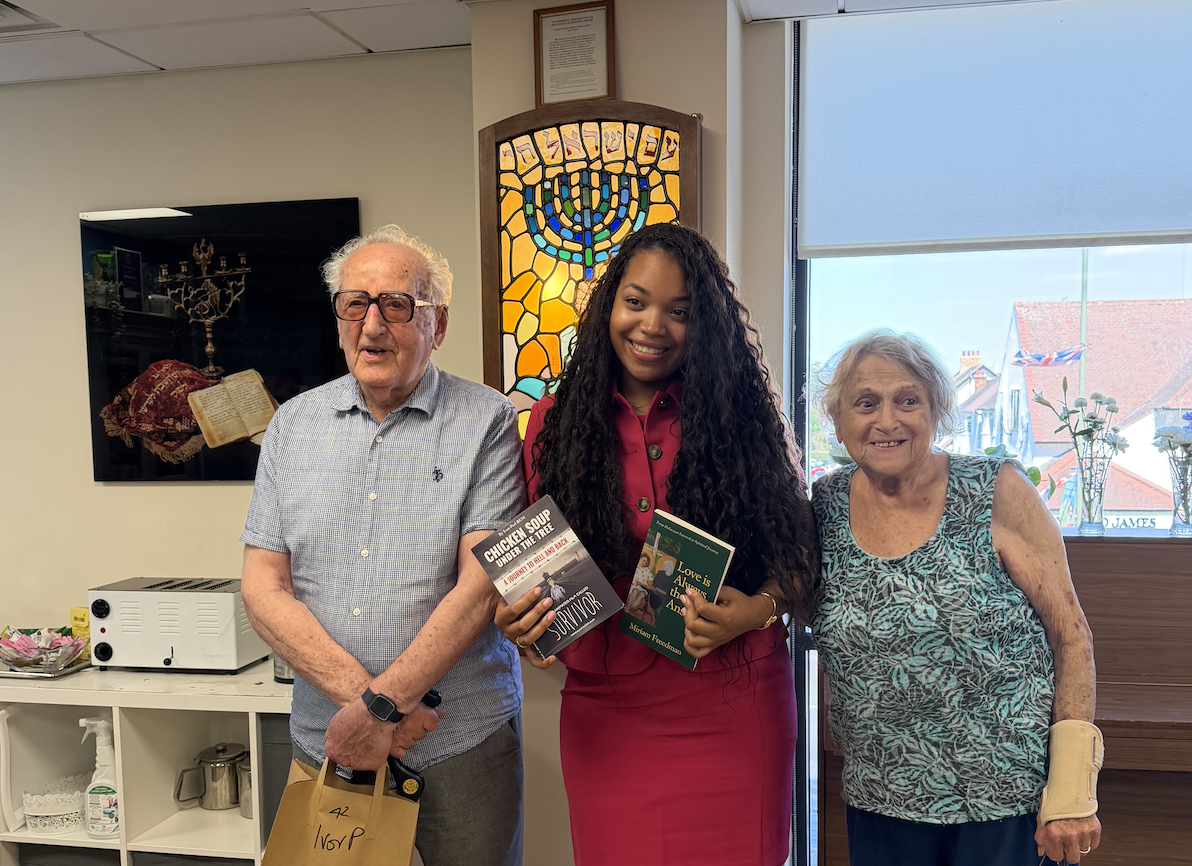
The daughter of the late American civil rights leader Rev. Jesse Jackson has spoken of her determination to embrace Judaism publicly, telling Holocaust survivors: “I have to live my truth.”
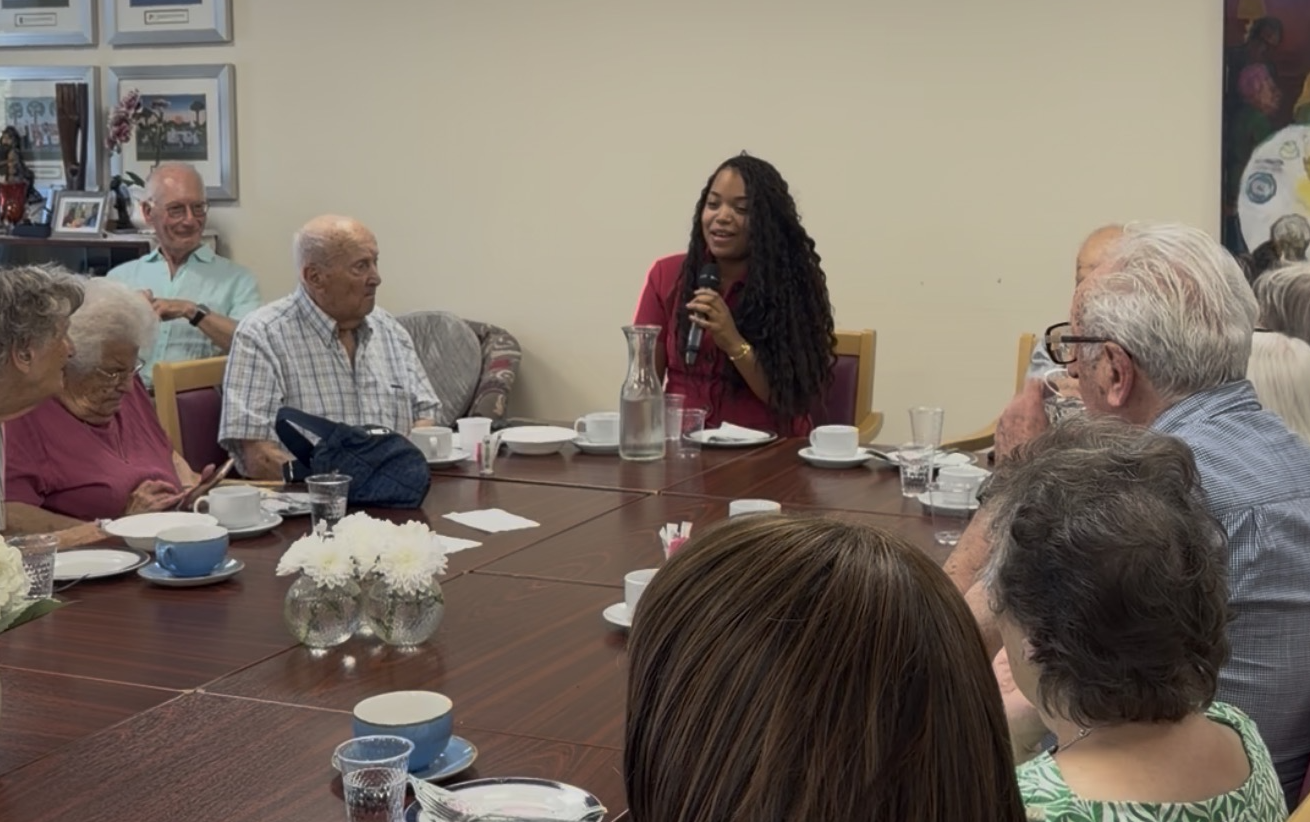
Ashley L. Jackson visited Jewish Care’s Holocaust Survivors Centre in north-west London on Wednesday, just days after revealing in a Washington Post essay that she had completed her conversion to Judaism.
The 27-year-old writer, producer and founder of PUSH The Next Generation answered questions from survivors about faith, identity, antisemitism and the support she received from her father before his death in February.
Jackson said she had wrestled with whether to make her conversion public, knowing it could provoke hostility.
“I have to live my truth,” she said.


Instead, she said, she had been overwhelmed by messages of support.
“I would say 80 percent of the response was so loving and kind. The Jewish people welcomed me home, which was just so wonderful.”
Raised in the Black church as the daughter of one of America’s best-known Baptist ministers, Jackson said embracing Judaism was never about rejecting her family or her upbringing, but about following the faith that felt right for her.
She said it had been deeply important that her father knew about her decision while he was still alive.

“I wanted him to know who I was in the depths of my soul,” she said. “I didn’t want to live the rest of my life not knowing what he would have said.”
She added: “I also wanted him to know that he was going to have Jewish grandchildren someday. I felt like that was an important thing to let him know.”
Jackson recalled telling her father about her spiritual journey. Although she had feared the conversation, she said he responded not with anger but with genuine curiosity, asking what had drawn her to Judaism.
A few months later, he visited her synagogue in Los Angeles.
“He held my hand, and we prayed together, and I sang all the Hebrew songs at the top of my lungs,” she said. “He just listened and swayed.”
She said the visit confirmed everything she had hoped for.
“He knew that I was never rejecting him by choosing Judaism. It was just another form of me expressing myself.”
Jackson said she had been drawn to Judaism because it encouraged questioning, learning and lifelong growth.
“When I came in, I just knew that I felt that it was home,” she said.
I have to live in my truth
The visit formed part of a European “HOPE mission” organised through her nonprofit, inspired by her father’s famous call to “keep hope alive”, with stops including Paris, Amsterdam and London.
Reflecting on a visit to the Anne Frank House, Jackson said she had “sobbed for most” of the experience.
“When you take in human atrocities of that capacity, and if you don’t feel, that’s a blaring red sign that something is wrong,” she said.
What stayed with her most, she said, was not only the horror of the Holocaust but the resilience that emerged from it.
“I kept thinking about my father’s call to keep hope alive,” she said. “What I saw in that house was that hope was sustaining.”
Later, during a discussion with survivors about the connections between her Black and Jewish identities, Jackson reflected on the resilience shared by both communities.
“When I think about the trajectory of the Jewish people, and when I also think of the trajectory of Black People in the States and abroad, that type of hope has kept our peoples here.
“I think that I was born and have joined two of the most resilient peoples to ever live.”
When you take in human atrocities of that capacity, and if you don’t feel, that’s a blaring red sign that something is wrong.
Speaking afterwards to Jewish News, Jackson said meeting Holocaust survivors had been one of the most meaningful experiences of her trip.
“When the opportunity arose to meet people who have experienced the worst of mankind and have still chosen to show up and be their full selves, I couldn’t say no,” she said.
“It was truly an honour to be welcomed to the tribe by some of the most resilient people.”
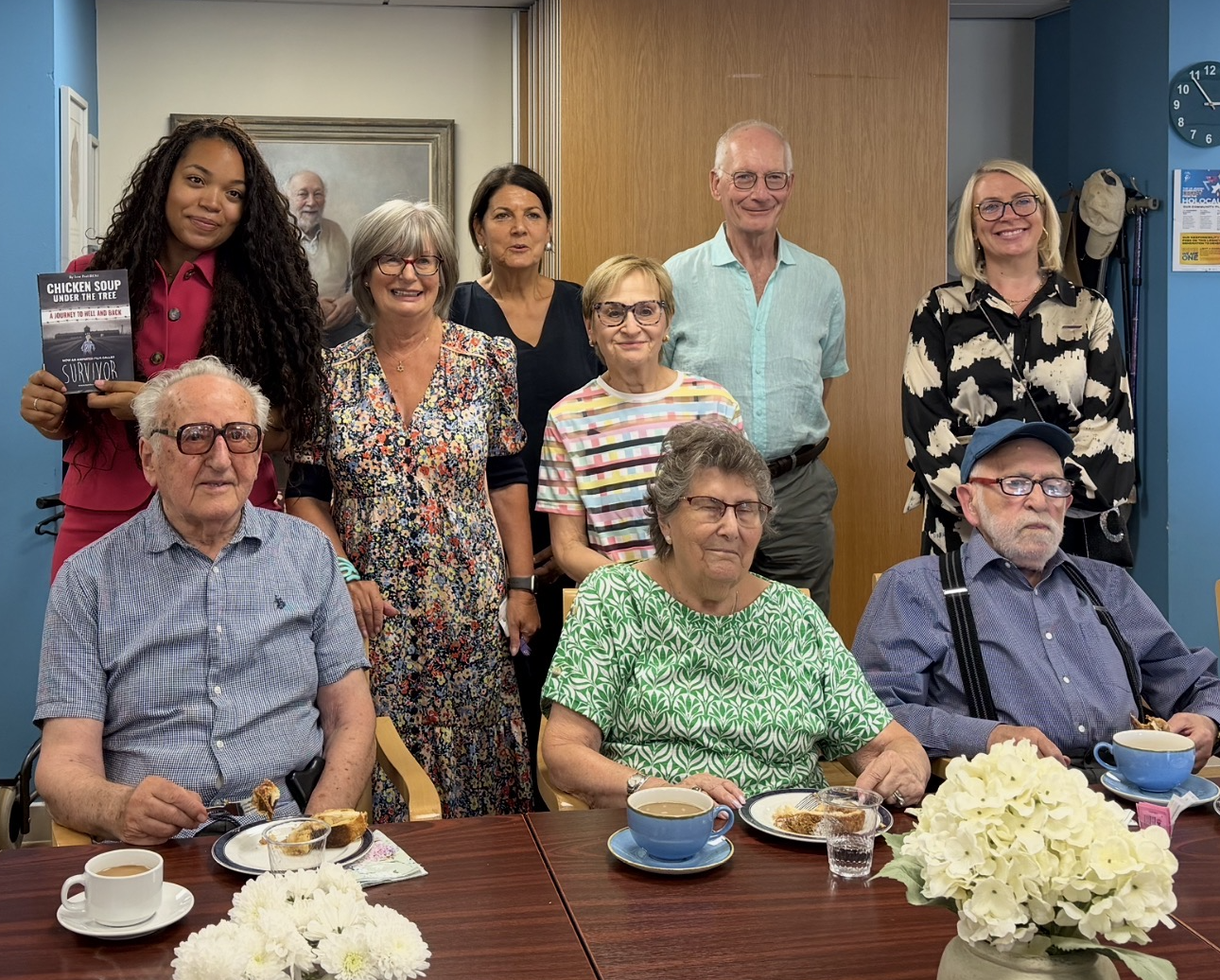
Melanie Gotlieb, Holocaust Survivor Centre and Outreach Coordinator, said Jackson’s visit had made a lasting impression on members.
“We were delighted to welcome Ashley Jackson to the Holocaust Survivors’ Centre,” she said. “Her warmth and kindness shone through as she told members that it was an honour for her to sit with them.
“She answered an assortment of questions from them on everything from how her father reacted to her conversion to whether she had been to a mikvah – and responded with honesty and openness. She also spent time talking individually with members and having photos.
“She was a wonderful guest to have at the Centre, and the members were delighted to meet her and find out more about her Jewish journey.”
The discussion also became a wider conversation about prejudice, identity and the importance of human connection.
Holocaust survivor Ruth Barnett urged people to celebrate difference rather than fear it.
“If we all had the same colour eyes, same colour hair… wouldn’t it be boring?” she said. “I find the difference between people interesting and exciting. I’m always willing to stop and chat with someone and exchange views, as long as it’s respectful.”
Jackson said genuine relationships were the strongest antidote to hatred.
“When we know each other, propaganda can’t thrive,” she said. “If I know you, and someone tells me something that isn’t true about you, it’s much harder for those lies to divide us.”
Barnett later added: “There is only one human race.”
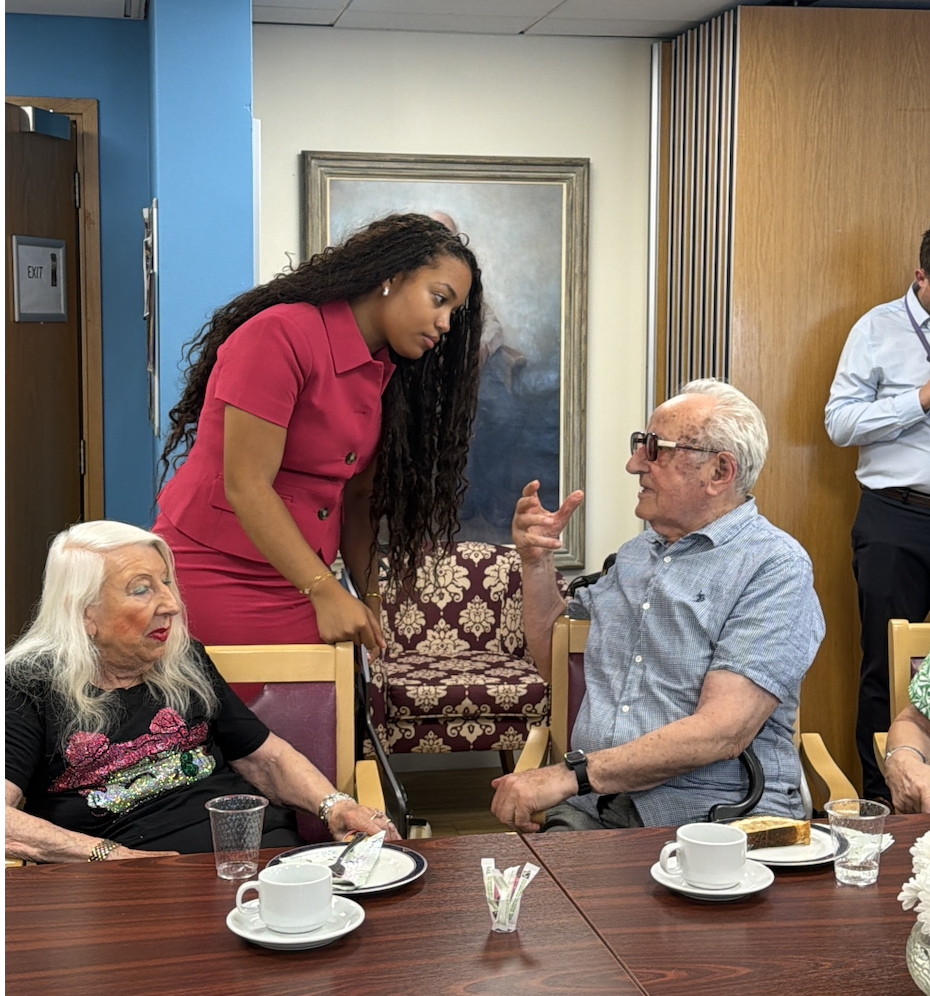
Jackson replied: “At the end of the day, I deeply agree that my focus is always humanity first.”
Holocaust survivor Miriam Freedman said Jackson’s decision to embrace Judaism had left her deeply moved.
“I think she was a very interesting, fascinating, beautiful woman,” she told Jewish News. “I’m very pleased that this happened and I was part of it.”
Reflecting on Jackson’s conversion at a time of rising antisemitism, Freedman added: “It’s unbelievable that somebody wants to become Jewish. We’re living in such an antisemitic world.”

Keep community journalism free.
Jewish News is free for everyone. No paywall. No barriers. Just trusted journalism for anyone who wants to stay connected to Jewish life in Britain.
If you value that, please support us.
From as little as £5 a month, you can help keep our journalism free and accessible to all.
Every day, we report on the issues that matter to our community. We celebrate achievements, support charities, challenge antisemitism and ensure Jewish voices are heard more widely.
From as little as £5 a month, you can help us continue to:
- Report on the stories shaping Jewish life in the UK and beyond
- Bring our community together through shared stories, events and campaigns
- Celebrate the people, culture and moments that define our community
- Support organisations doing vital work across Jewish Britain
You can make a one-off donation or become a regular supporter. Every contribution helps keep our journalism free, independent and accessible to all.
If everyone who values Jewish News gave a small amount, it would make a real difference to our future.