Prefer Jewish News on Google
Mark Regev responds to 40 prominent Jews’ appeal against annexation
Israeli ambassador to the UK defends controversial move insisting Israel's friends 'have long understood secure borders to be a cornerstone of any durable peace'
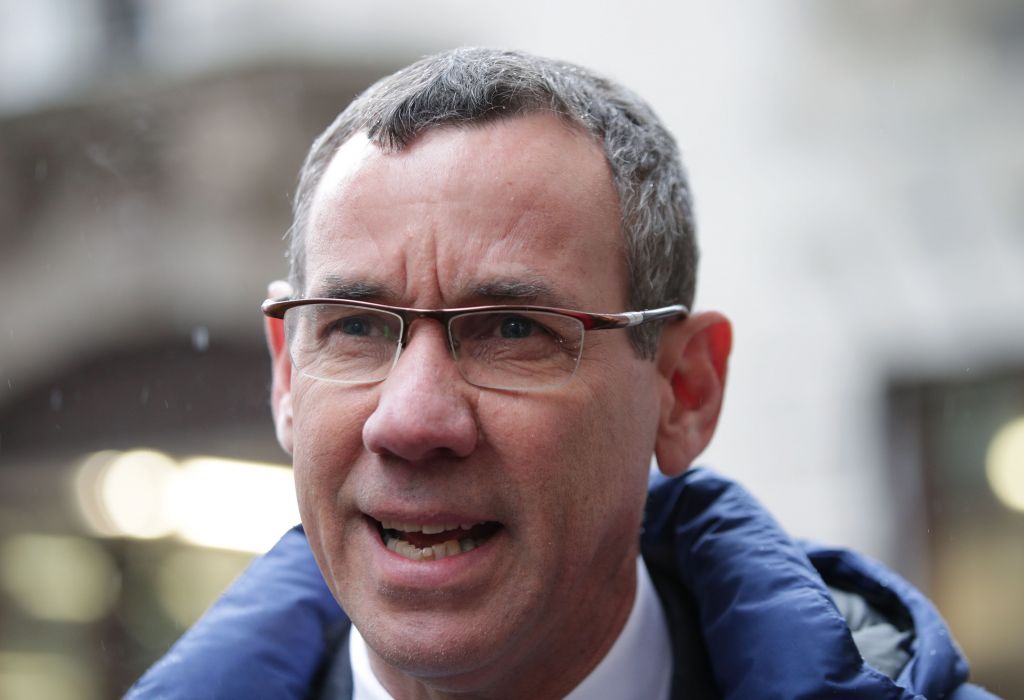
Israel’s ambassador to the UK, Mark Regev, has responded to an open letter from 40 leading British Jews, who complained that his government’s intended West Bank annexation policy would make it impossible for them to defend the Jewish state.
But Mr Regev’s toughly-worded response fails to address any of the specific concerns of the letter’s signatories, who included Holocaust survivor Sir Ben Helfgott, historians Sir Simon Schama and Simon Sebag Montefiore, as well as a host of leading communal figures, and people across the political spectrum.
Instead, Mr Regev seeks to remind the letter-writers that the intent of annexation stretches as far back as the Labour Prime Minister, Yitzchak Rabin.
The controversial letter, published in the Israeli paper, Ha’aretz, on June 4, was addressed to the ambassador and told him that annexation was “an existential threat to the traditions of Zionism in Britain”.
But in his response, Mr Regev, who pointedly does not use the word “annexation”, instead speaks of “the proposed application of Israeli sovereignty to parts of the West Bank”, emphasising that such action is not only part of the coalition deal between Likud and the Blue and White party as hammered out after the last election.



In a brief overview he reaches back into Israeli history as far back as the Six Day War of 1967. He writes: “Yitzchak Rabin, who led Israel to victory in the Six Day War and as Prime Minister signed the Oslo Accords with the Palestinians, firmly believed that any sustainable peace would have to be built on robust security arrangements”.
Significantly, Mr Regev refers to Prime Minister Rabin’s final speech to the Knesset, just one month before his assassination in November 1995. In this speech, Mr Regev points out, Mr Rabin “outlined his vision of a final status peace which he said would demand Israeli control over the Jordan Valley ‘in the broadest meaning of that term’”.
Israel’s “friends in the international community”, Mr Regev reminds the letter writers, “have long understood secure borders to be a cornerstone of any durable peace”. He adds: “Writing to Prime Minister Sharon in 2004 in support of Israel’s unilateral disengagement from Gaza, President Bush recognised that any negotiated solution must account for ‘realities on the ground, including already existing Israeli population centres’, and that a policy of ‘full and complete return’ to pre-1967 lines would be ‘unrealistic’. I know many friends of Israel here in the United Kingdom share that view.”
Crucially, Mr Regev concludes his response by telling the letter signatories that President Trump’s most recent peace plan took such concerns into account and had been received well by most Arab states.
He adds: “In moving forward, Israel’s new unity government will remain cognisant of our steadily improving relations across the Arab and Muslim world, and our critically important partnership with Jordan. We will continue to engage with Washington about how best to seize the historic opportunities inherent in the American initiative, which offers the hope of a more peaceful and secure future. It is high time for the Palestinians to come to the table and constructively do the same”.

Keep community journalism free.
Jewish News is free for everyone. No paywall. No barriers. Just trusted journalism for anyone who wants to stay connected to Jewish life in Britain.
If you value that, please support us.
From as little as £5 a month, you can help keep our journalism free and accessible to all.
Every day, we report on the issues that matter to our community. We celebrate achievements, support charities, challenge antisemitism and ensure Jewish voices are heard more widely.
From as little as £5 a month, you can help us continue to:
- Report on the stories shaping Jewish life in the UK and beyond
- Bring our community together through shared stories, events and campaigns
- Celebrate the people, culture and moments that define our community
- Support organisations doing vital work across Jewish Britain
You can make a one-off donation or become a regular supporter. Every contribution helps keep our journalism free, independent and accessible to all.
If everyone who values Jewish News gave a small amount, it would make a real difference to our future.