Prefer Jewish News on Google
MP criticises Elon Musk’s AI chatbot Grok for generating pro-Hitler material
Paul Waugh MP calls for ministers to engage with the Antisemitism Policy Trust to see how the Online Safety Act can actually crack down on memes like this
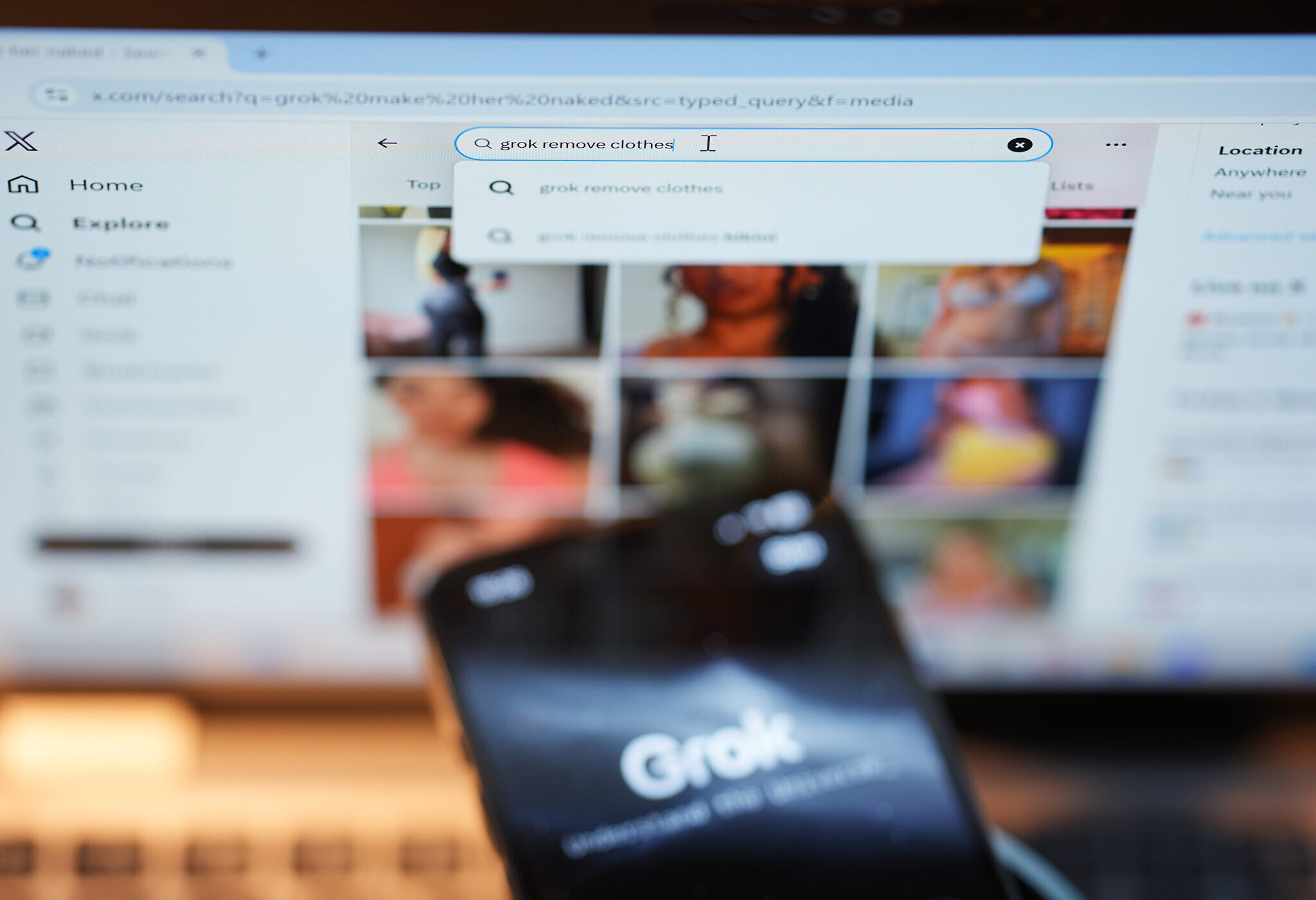
The AI tool used by Elon Musk’s X social media platform has faced criticism for generating antisemitic comments, and calls for the Online Safety Act to address it.
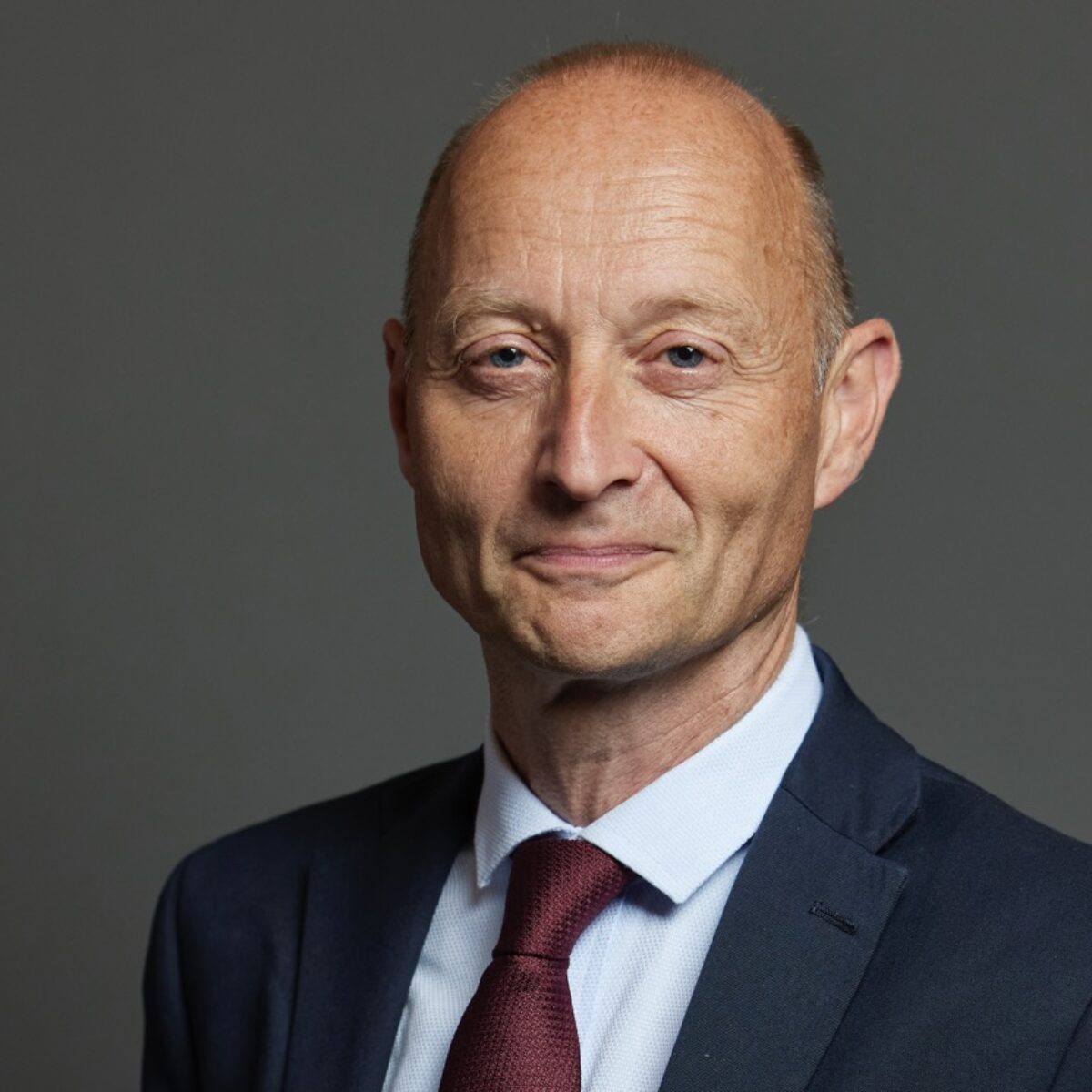
During a Commons debate on Holocaust Memorial Day, Labour MP Paul Waugh accused the platform’s AI of producing material praising former Nazi leader Adolf Hitler.
The AI chatbot, known as Grok and used by X (formerly Twitter), has recently come under fire for its ability to generate sexual deepfakes.
Waugh stated: “Debate on X’s Grok AI has been regular in this House in recent weeks, but not only has the platform’s AI tool been denigrating and degrading women, Grok has generated multiple antisemitic comments, including praise for Hitler, denying the scope of the Holocaust, and using so-called Jewish-sounding surnames in the context of hate speech.
“I hope that ministers will engage with the Antisemitism Policy Trust to see how the Online Safety Act can actually crack down on memes like this, on Reddit, and other online platforms.”
His remarks came two weeks after the Government announced forthcoming legislation banning the generation of sexual deepfake images. The new law will take effect on February 6.
X has stated it will prevent Grok from “editing images of people in revealing clothes” and will block users from generating similar images of real people in countries where it is illegal.
These moves follow mounting pressure on X over images produced by Grok, including an Ofcom investigation in the UK and scrutiny from the European Union. The tool has also been banned in Malaysia and Indonesia.
Waugh further warned about the impact of online conspiracy theories, particularly on young people.
“With young people online more than ever, it’s not what happens in the classroom that really worries many of us. It’s what happens outside of it,” he said.
“The potential for them to come across antisemitic content, Holocaust denial, and distortion is greater than ever.
“Conspiracy theories that the Holocaust never happened. Antisemitic theories that it was orchestrated or faked by Jewish people in Israel.”

Keep community journalism free.
Jewish News is free for everyone. No paywall. No barriers. Just trusted journalism for anyone who wants to stay connected to Jewish life in Britain.
If you value that, please support us.
From as little as £5 a month, you can help keep our journalism free and accessible to all.
Every day, we report on the issues that matter to our community. We celebrate achievements, support charities, challenge antisemitism and ensure Jewish voices are heard more widely.
From as little as £5 a month, you can help us continue to:
- Report on the stories shaping Jewish life in the UK and beyond
- Bring our community together through shared stories, events and campaigns
- Celebrate the people, culture and moments that define our community
- Support organisations doing vital work across Jewish Britain
You can make a one-off donation or become a regular supporter. Every contribution helps keep our journalism free, independent and accessible to all.
If everyone who values Jewish News gave a small amount, it would make a real difference to our future.