Prefer Jewish News on Google

Multi-faith seder unites faith leaders around Passover’s message of freedom
Interfaith figures including Church of England adviser and civic leaders reflect on war, hatred and modern slavery

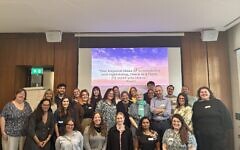
Jewish, Christian, Muslim and other faith representatives gathered in north London this week for a multi-faith seder that used the story of Passover to expose modern struggles for freedom and shared responsibility.
Hosted by Laura Marks CBE, founder of Mitzvah Day, alongside interfaith campaigner Elizabeth Harris-Sawczenko OBE, the evening brought together a cross-section of interfaith and civic leaders for an abridged version of the traditional Passover meal and storytelling ritual.
Among those present were Canon Marc Poulson, Interfaith adviser to the Archbishop of Canterbury, Sughra Ahmed, who runs the Faith in the City programme, Irfan Zaman, chief executive of SOAS Students’ Union, a Ukrainian Catholic priest, and representatives from the Jewish community, including Amanda Bowman, co-chair of the London Jewish Forum.
Welcoming guests into her home, Marks said: “We just wanted to give you the flavour of the seder.”
She explained that the Haggadah – the text used during the meal – has connected Jewish communities for generations, adding: “Jews all around the world and Jews through time are united by this particular document.”


While rooted in the biblical story of the Israelites’ escape from slavery in Egypt, the evening placed strong emphasis on contemporary relevance. In a message ahead of the event, Marks noted: “There is great modern relevance given how many people live in slavery worldwide even today.”
Throughout the seder, guests were invited to reflect on what they wished to be “free from”, with responses including hate, anxiety, disease, war, separation and modern slavery.
“The whole festival is about freedom,” Marks said.
Participants later shifted the discussion towards what they hoped to be “free for”, focusing on peace, faith, patience and the ability to live without fear.
A reflection read during the evening emphasised the moral responsibility tied to freedom: “We cannot truly celebrate our own freedom without acknowledging those who are still waiting for theirs, whether they’re trapped by physical conflict, hardship, or the struggle of isolation.”
Guests were also encouraged to consider how they might extend hospitality and support to others, echoing the Passover tradition: “Let all who are hungry come and eat.”
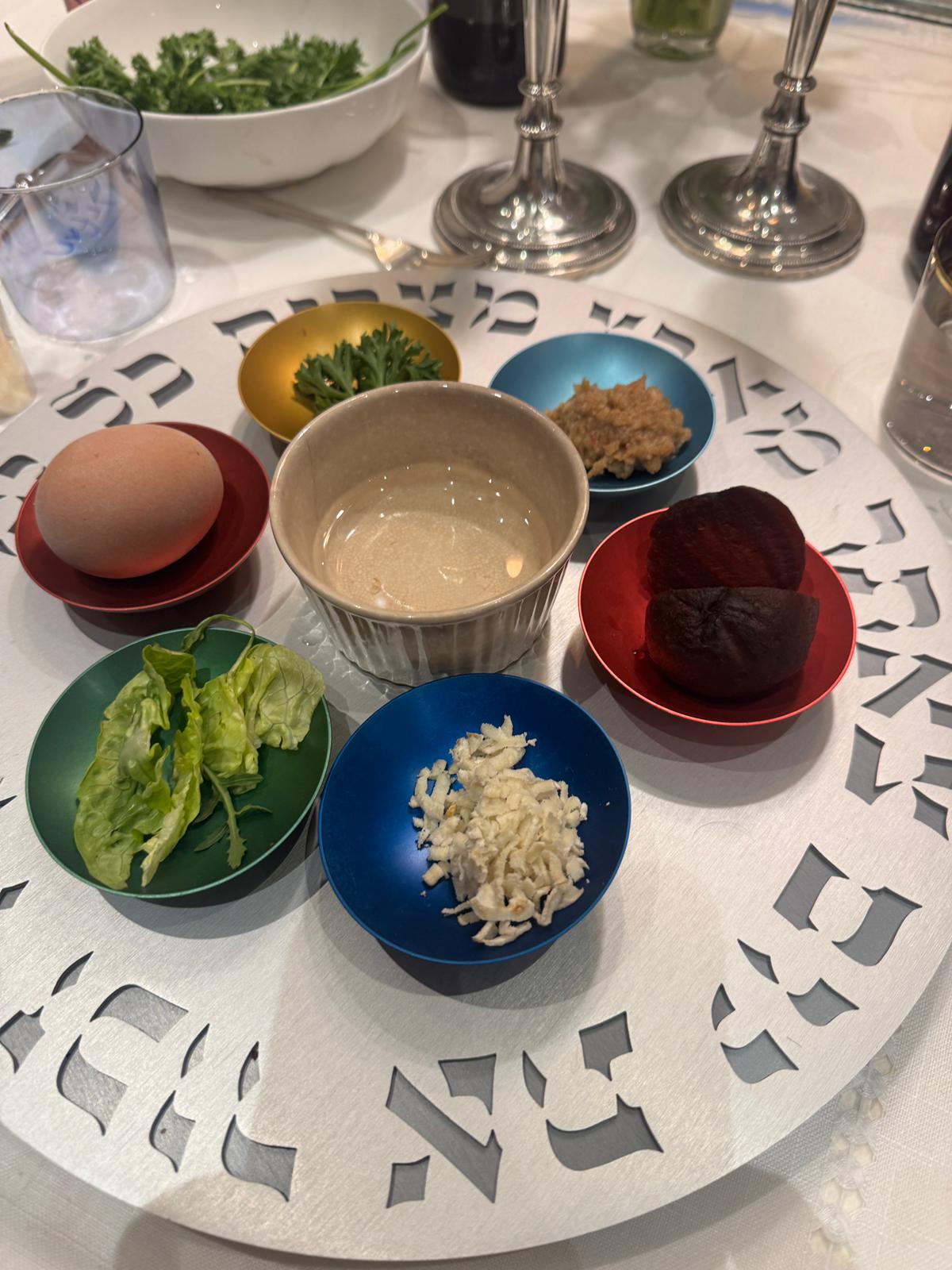
As the group moved through the symbolic foods of the seder plate – including matzah, bitter herbs and charoset – Marks and Sawczenko explained their meanings, linking ancient Jewish experience with modern-day challenges.
The evening concluded with prayers for peace and a shared meal, as attendees reflected on the balance between suffering and hope.
In a closing blessing, one participant said: “Help us continue to break down the barriers, to be brave, to be courageous and bold… and to hold the bitterness and sweetness together.”
The gathering offered a distinctly Jewish framework for interfaith dialogue, placing Passover’s enduring themes of liberation and responsibility at the centre of a wider communal conversation.

Keep community journalism free.
Jewish News is free for everyone. No paywall. No barriers. Just trusted journalism for anyone who wants to stay connected to Jewish life in Britain.
If you value that, please support us.
From as little as £5 a month, you can help keep our journalism free and accessible to all.
Every day, we report on the issues that matter to our community. We celebrate achievements, support charities, challenge antisemitism and ensure Jewish voices are heard more widely.
From as little as £5 a month, you can help us continue to:
- Report on the stories shaping Jewish life in the UK and beyond
- Bring our community together through shared stories, events and campaigns
- Celebrate the people, culture and moments that define our community
- Support organisations doing vital work across Jewish Britain
You can make a one-off donation or become a regular supporter. Every contribution helps keep our journalism free, independent and accessible to all.
If everyone who values Jewish News gave a small amount, it would make a real difference to our future.