
 Prefer Jewish News on Google
My first Limmud: where British Jews argue, grieve and keep showing up
At my first Limmud, debate, grief and resilience collide, revealing a Jewish community refusing silence
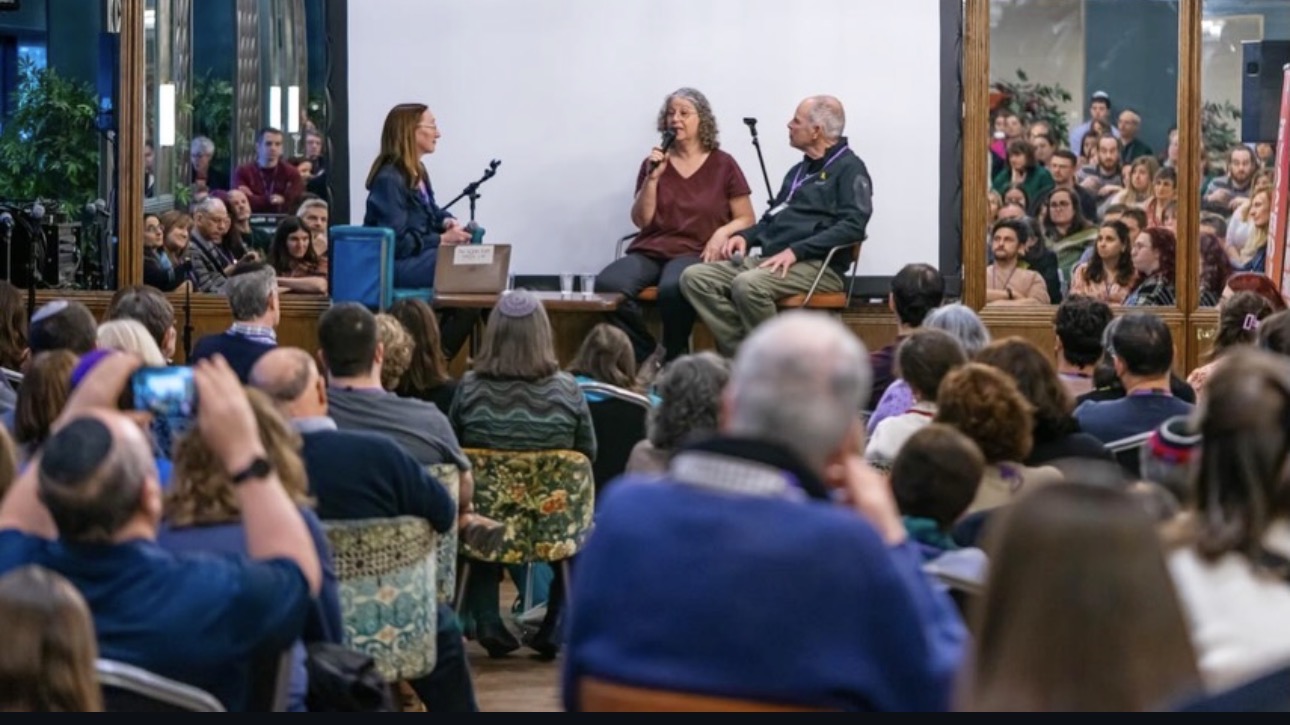
Walking into Limmud for the first time, I expected a festival of ideas. What I encountered instead was a live cross-section of Jewish life in late 2025 – tense, reflective, argumentative, and deeply engaged.
Across several days, sessions swung sharply between politics and personal testimony. In one room, speakers debated whether diaspora Jews have a responsibility to challenge Israel’s direction, warning that silence risks becoming complicity. In another, former hostages and their families described captivity and survival, forcing the conversation back from geopolitics to human cost.
What struck me quickly was how little distance there was between analysis and emotion. Antisemitism was not discussed as an abstract trend, but as something reshaping daily life – on campuses, in public spaces and within institutions meant to offer protection. Jewish students spoke about pride and resilience alongside fear and exhaustion. Academics traced how old conspiracies about Jewish power have resurfaced across political extremes.
Alongside the formal programme, I spent time speaking to people attending the festival. Steve Miller, a north London community consultant, told me he has been coming to Limmud since the mid-1980s, when fewer than 100 people attended. Back then, he said, it was largely a space for informal Jewish educators. Over time, it has evolved into what he described as a “festival of everything” – less narrowly focused on education, and more about community and conversation.
Despite decades of attendance, Miller said he now chooses sessions selectively, often avoiding the most politically charged Israel debates. “I live a lot of that already,” he explained. One session he did prioritise, however, focused on former hostages. What stayed with him, he said, was not just the stories themselves, but the focus on psychological resources people draw on to survive – and to keep going afterwards.
That emphasis on aftermath and endurance surfaced repeatedly. Former hostages spoke not only about captivity, but about the difficulty of returning to a world that has moved on. Lawyers representing hostage families outlined political and legal efforts under way in the UK, revealing details that went beyond what has previously been said in public.
The range of voices at Limmud was unusually broad. Israeli and British speakers appeared side by side, as did faith leaders, academics, activists and educators. Some sessions were sharply critical of Israeli leadership. Others focused on Jewish continuity, education, culture or spirituality. Disagreement was explicit and, at times, uncomfortable – but rarely avoided.
Limmud’s reach also extends beyond the Jewish community. I spoke to Husn Saroay, a Christian teaching assistant working with the festival’s children’s programme. For her, Limmud is about exposure – learning how Jewish life and education function from the inside and sharing ideas across cultures. She described the festival as a place where people from different backgrounds work alongside one another, exchanging approaches and experiences rather than slogans.
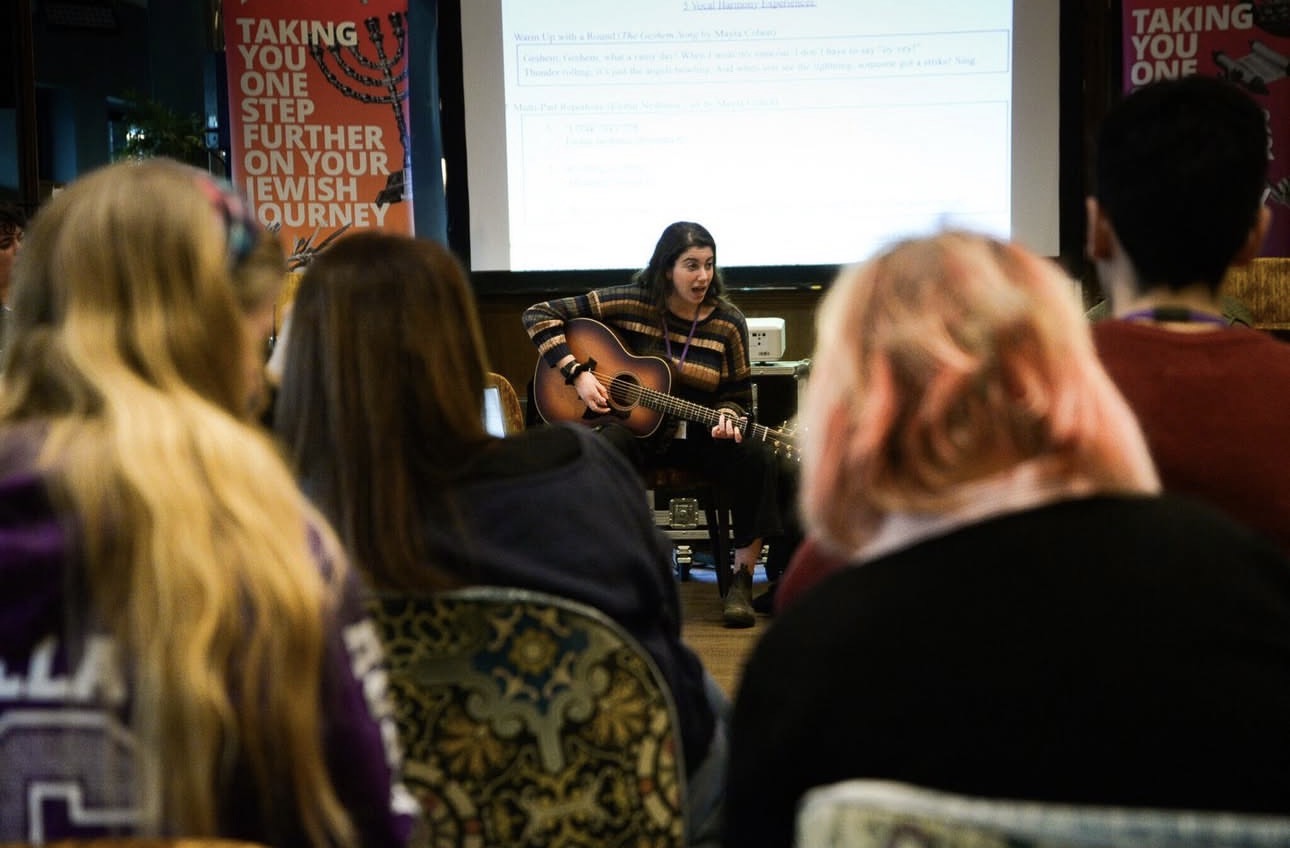
Between the headlines, debates were quieter forms of learning. Historical research explored morally ambiguous acts of rescue during the Holocaust. Music sessions offered space for reflection. Discussions about education outside formal institutions returned to older questions about how Jewish knowledge is passed on – and who gets access to it.
What became clear is that Limmud does not aim for consensus. Speakers pushed back on the idea that unity should be the primary goal, arguing instead for honesty, democratic values and the ability to sit with unresolved questions. That refusal to simplify felt deliberate.
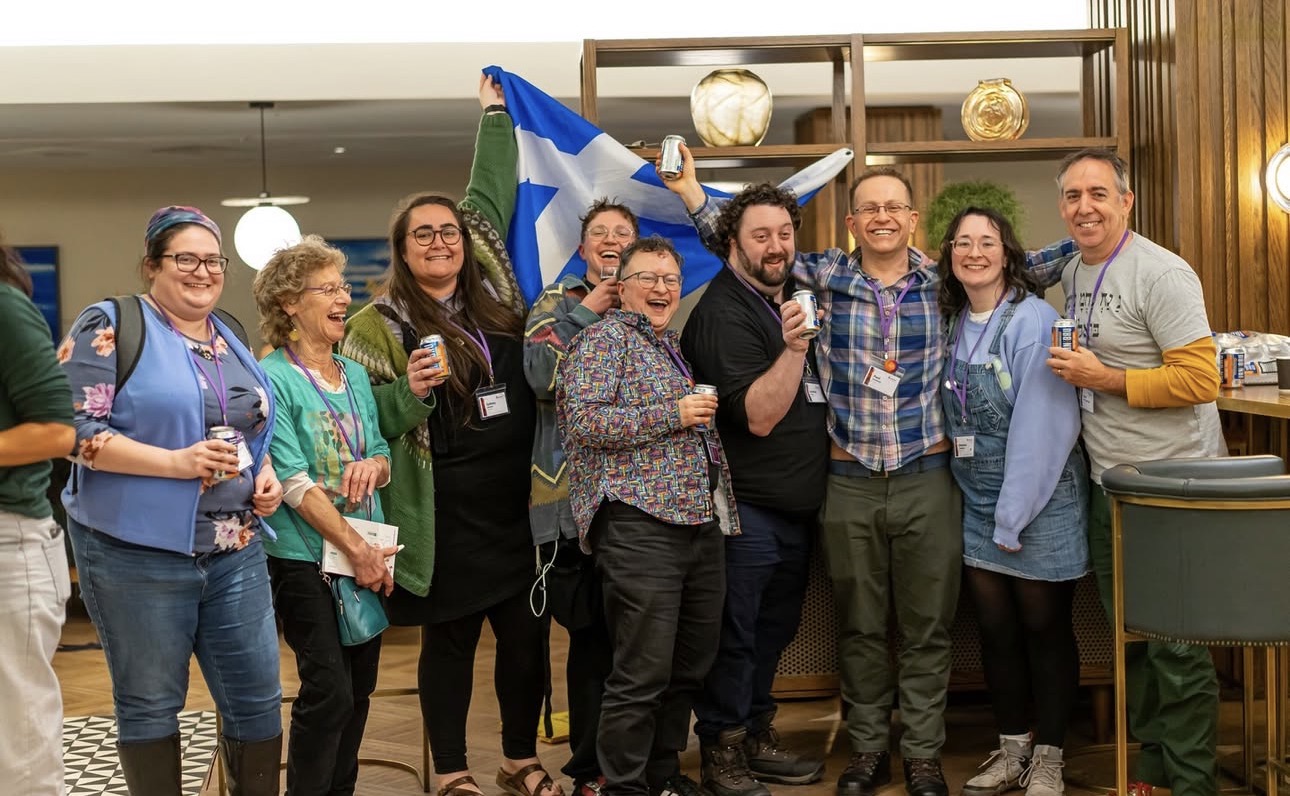
As a first-time attendee, the intensity was striking. There was no attempt to smooth over disagreement or move quickly past grief. Instead, the festival created space for argument, listening and discomfort – trusting participants to handle complexity without retreating into slogans.
Limmud does not offer answers. What it offers is something rarer: a place where Jews are still willing to argue in public, learn from one another and stay in the room, even when the way forward is unclear.
For a first visit, it felt less like a festival and more like a community thinking out loud.

Keep community journalism free.
Jewish News is free for everyone. No paywall. No barriers. Just trusted journalism for anyone who wants to stay connected to Jewish life in Britain.
If you value that, please support us.
From as little as £5 a month, you can help keep our journalism free and accessible to all.
Every day, we report on the issues that matter to our community. We celebrate achievements, support charities, challenge antisemitism and ensure Jewish voices are heard more widely.
From as little as £5 a month, you can help us continue to:
- Report on the stories shaping Jewish life in the UK and beyond
- Bring our community together through shared stories, events and campaigns
- Celebrate the people, culture and moments that define our community
- Support organisations doing vital work across Jewish Britain
You can make a one-off donation or become a regular supporter. Every contribution helps keep our journalism free, independent and accessible to all.
If everyone who values Jewish News gave a small amount, it would make a real difference to our future.





















