Prefer Jewish News on Google
OPINION: Teaching Modern Hebrew is about connecting to Israel
Learning Ivrit is about the language, people and culture of our homeland
Six years ago, the Ivrit department at Kerem School launched a small pilot with one big question: how do you teach Modern Hebrew while connecting meaningfully to Israel – not just the language, but also the people and the culture?
What started as a pilot to find a better way to integrate Israeli culture and real life into our Modern Hebrew curriculum has become one of the most anticipated highlights of the school year. Because teaching Ivrit isn’t only about vocabulary and grammar. It’s about belonging to a living, breathing culture. To truly understand Israel, children need to see it as a living mosaic, largely shaped by waves of immigrants who arrived with their histories, languages and traditions.
Now in its sixth year, The Many Faces of Israel is an annual cross-curricular project that immerses the entire school in the story of Jewish communities that made Aliyah, whether driven by persecution, Zionistic hope or the simple longing to build a Jewish future.
So how do we do it? Each year, we focus on one Jewish community and explore where the people came from, why they left their homeland, how they arrived in Israel, including journeys supported by Jewish agencies, covert operations or families who funded travel themselves. We learn about what awaited them, including the reality of ma’abarot (transit camps) and the challenge of building a new life with a new language and how they contributed to Israel, through culture, music, food, minhagim and identity.
 We don’t teach these stories as distant history. We teach the journey – the distance, the time it took, the uncertainty, the courage and the enormous resilience behind rebuilding a home.
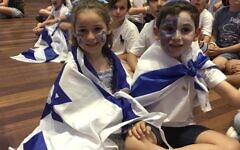
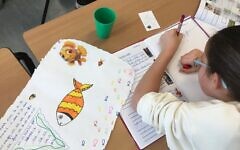
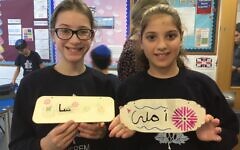
Over the years, we have studied Ethiopian Jews, Persian Jews, Moroccan Jews, Yemenite Jews, Russian Jews and, this year, Indian Jews. Each community is distinct, but every year the children recognise familiar human themes – fear and hope, loss and renewal, and identity carried across borders.
One of the most powerful parts of the week is welcoming first-hand speakers into our school. They speak about life in the in which they were were born, in the turning points that led to Aliyah and the realities of arriving in Israel. For pupils, it changes everything. They are no longer learning about “a community”. They are meeting a person. The map becomes a lived geography. Aliyah becomes an emotional reality.
The children ask fascinating questions – What did you take with you? Did you miss home? Was learning Hebrew hard? Those questions are exactly why this project exists. It gives pupils a safe, structured way to explore big ideas – displacement, courage, identity and belonging – through a Jewish and Israeli lens.
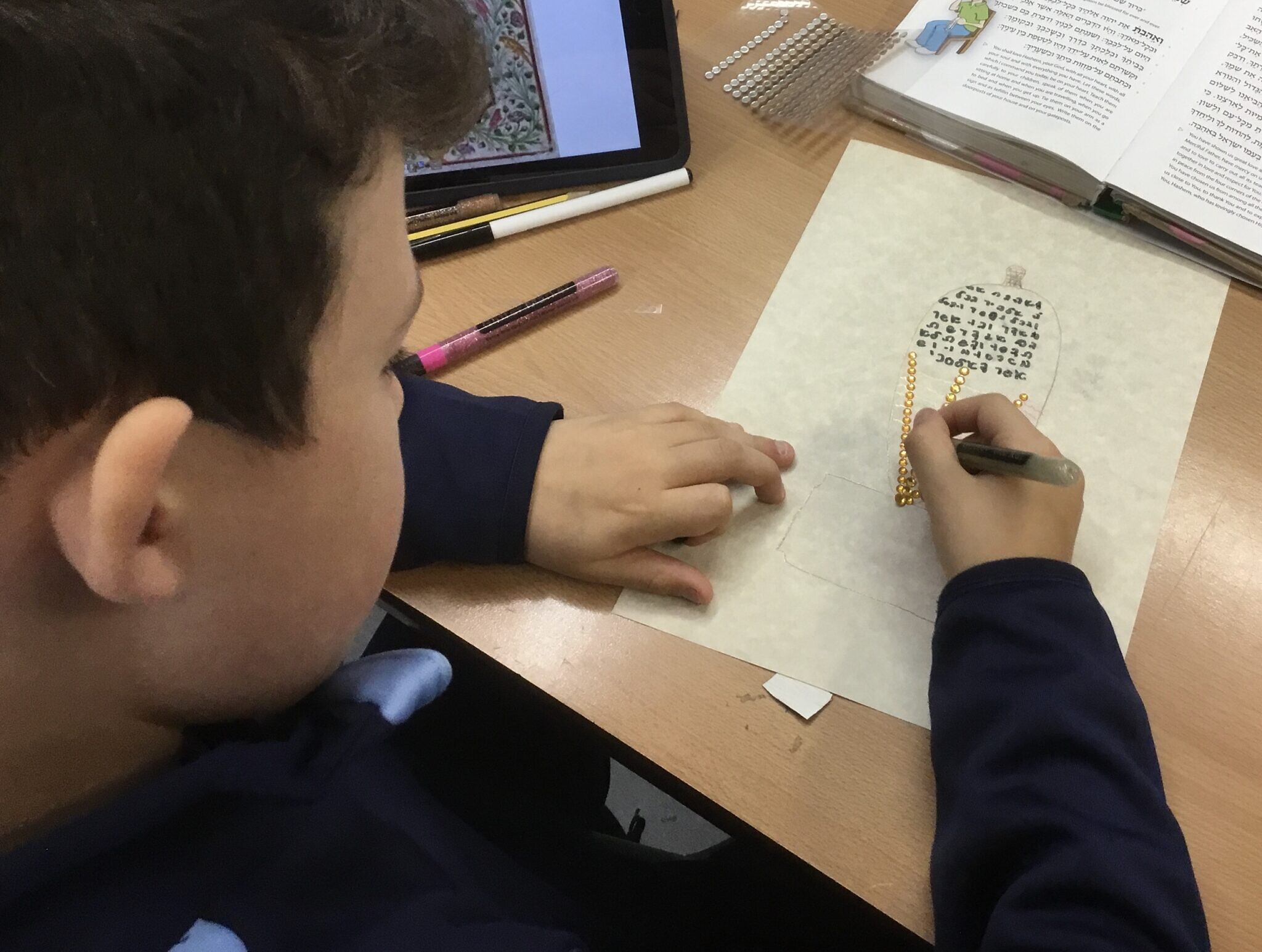
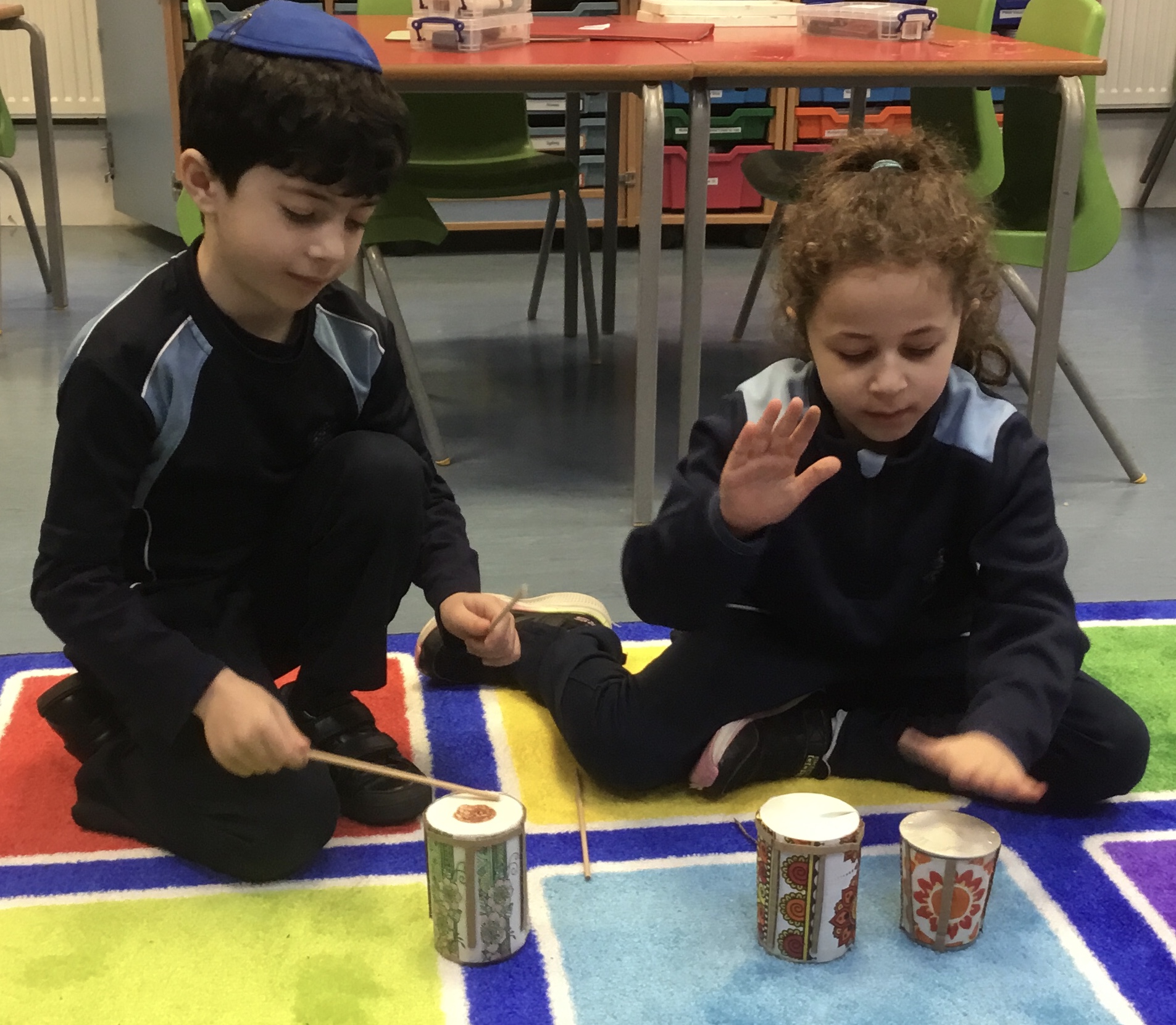
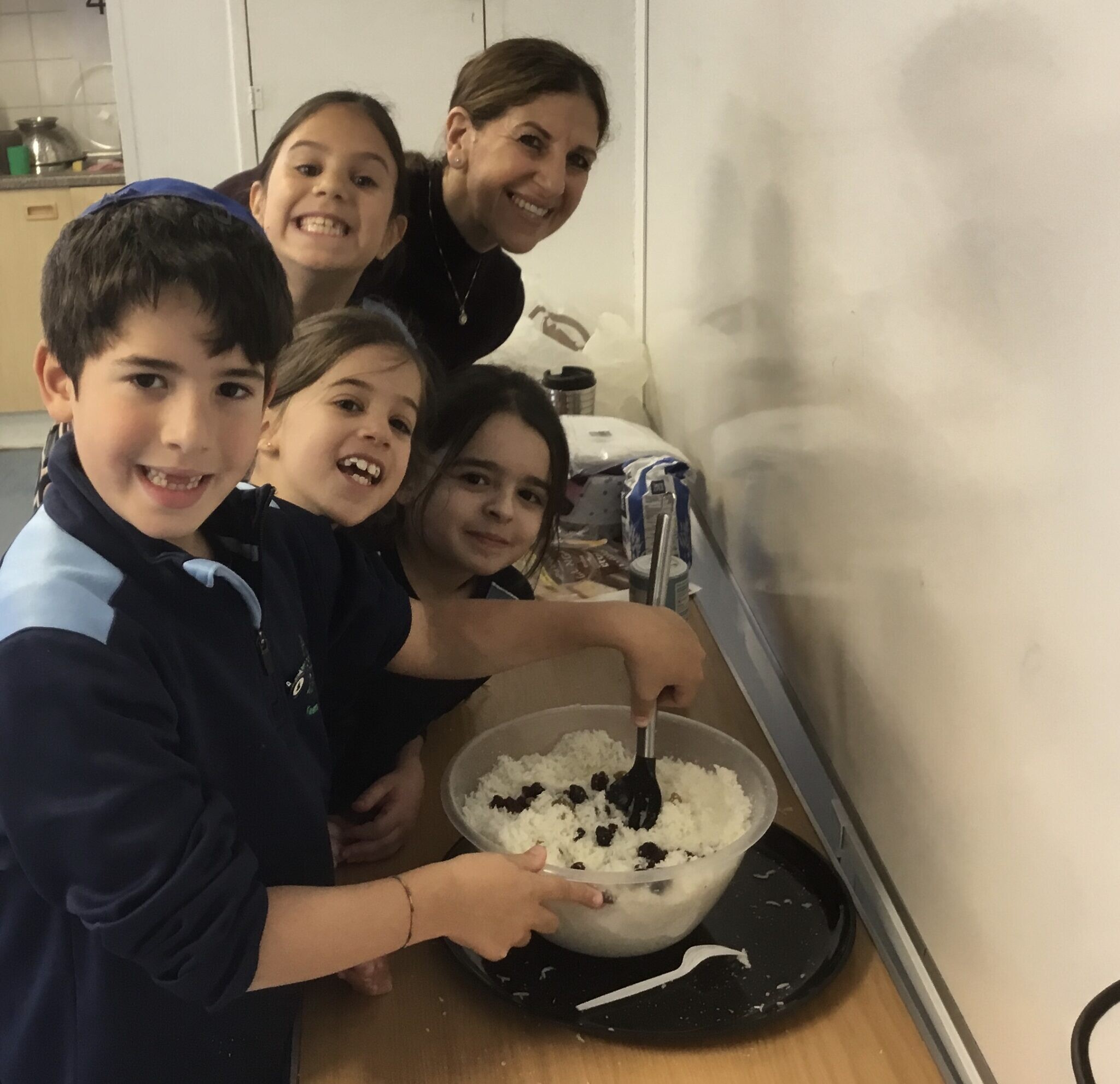
Part of what makes The Many Faces of Israel so impactful is that it’s not only taught, it’s experienced. Every year group has an activity designed to make culture tangible and unforgettable. From the very youngest years the nursery and reception classes do cooking and discover spices. Year 1 and Year 2 explore music and dance, creating instruments such as a darbouka and, this year, a tabla drum, learning how Indian rhythm carries memory. Year 3 cook (a real highlight), making foods like Ethiopian injera, Moroccan spiced dips, Yemenite jachnun, Russian goulash and Indian rice. The school fills with aromas that spark curiosity and conversation.
Year 4 focuses on clothing and jewellery, from cultural head coverings to decorative traditions, a doorway into how identity is worn, carried and celebrated. Year 5 explores art, recreating and responding to community heritage. This year, pupils created elaborate ketubot and designed tiles inspired by the Paradesi Synagogue in Cochin, learning how place and Judaism intertwine.
Year 6 dives into language, researching the community’s languages and scripts and discovering the beauty of letters that hold history.
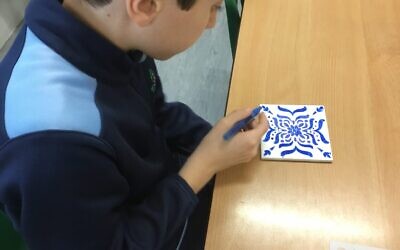
Children remember this work because it’s multisensory. It’s not just “learning about”, it’s making, tasting, hearing, moving, creating. And when learning is taught in this way, it sticks.
Although the project is rooted in Ivrit, it becomes a full-school experience because these stories belong everywhere in education. For example, in English the pupils write diary entries, in Science they investigate the origins of spices, colours and ingredients and in PSHE they explore discrimination and persecution and also the more complicated truth that some Jews faced hardship even after arriving in Israel.
This matters. Because it shows pupils that identity is complex, history is human and communities don’t disappear when they cross a border, they transform and they contribute.
The outcome is bigger than knowledge. The Many Faces of Israel helps children understand that Israel is built from many homes and histories, that Israeli culture is a tapestry of traditions brought by Jews from across the world and that Aliyah is a journey, often demanding bravery and resilience.
And perhaps most importantly, it helps children feel connected to Israel and to Jews from different cultures. It reminds them that our people have always carried identity through change and found ways to rebuild.
Every year, pupils look forward to this week. Their curiosity deepens, their empathy grows and their sense of what Israel is becomes richer. Six years on, what began as an experiment has become a tradition, one that we hope will continue to shape how our children see Israel – not as a single face, but as many.

Keep community journalism free.
Jewish News is free for everyone. No paywall. No barriers. Just trusted journalism for anyone who wants to stay connected to Jewish life in Britain.
If you value that, please support us.
From as little as £5 a month, you can help keep our journalism free and accessible to all.
Every day, we report on the issues that matter to our community. We celebrate achievements, support charities, challenge antisemitism and ensure Jewish voices are heard more widely.
From as little as £5 a month, you can help us continue to:
- Report on the stories shaping Jewish life in the UK and beyond
- Bring our community together through shared stories, events and campaigns
- Celebrate the people, culture and moments that define our community
- Support organisations doing vital work across Jewish Britain
You can make a one-off donation or become a regular supporter. Every contribution helps keep our journalism free, independent and accessible to all.
If everyone who values Jewish News gave a small amount, it would make a real difference to our future.