Prefer Jewish News on Google
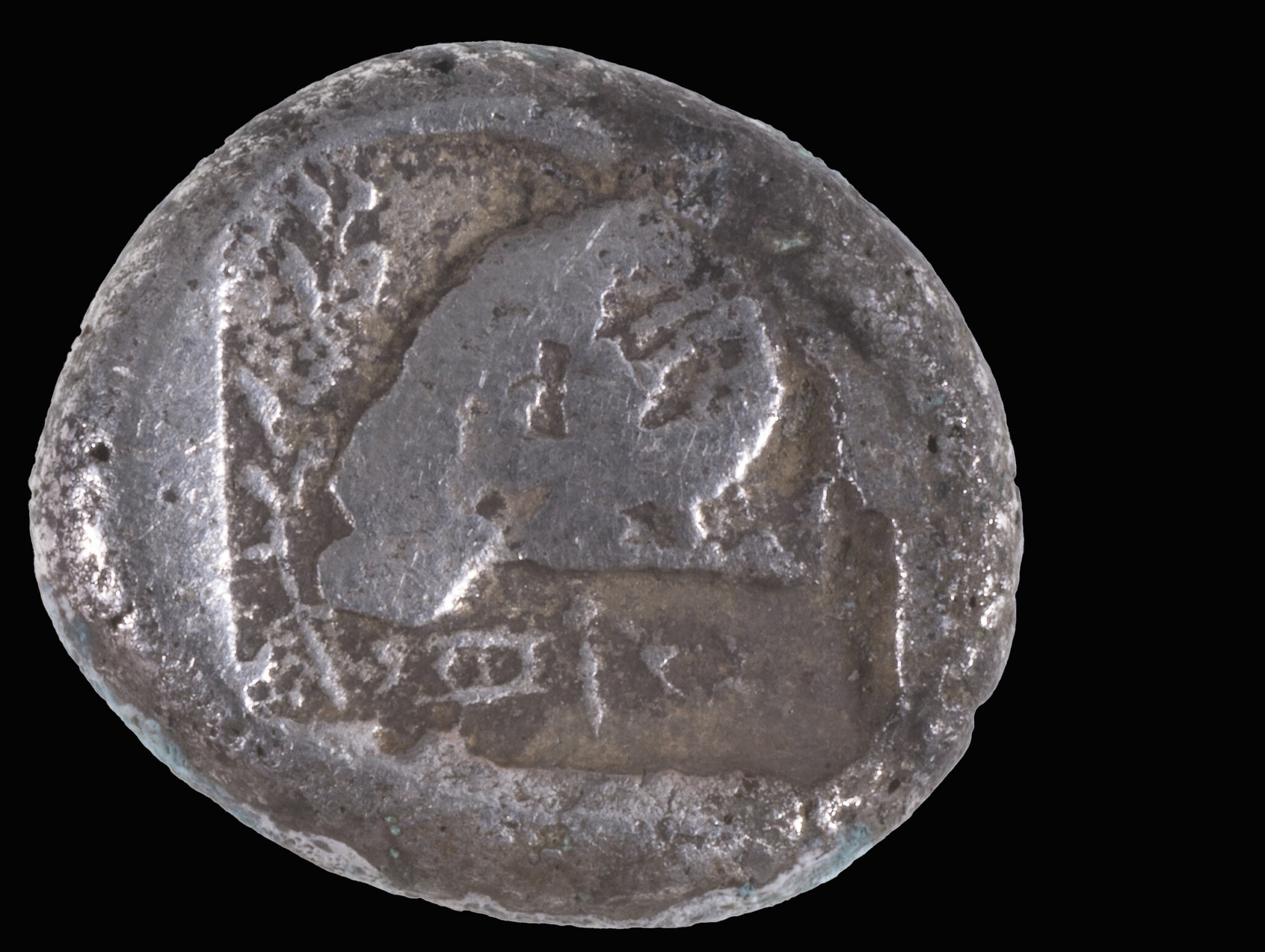
A routine search for lost jewellery on an Israeli beach has led to the discovery of an exceptionally rare 2,500-year-old coin that archaeologists say has never been found in Israel.
The ancient coin was uncovered by Avi Chaprak, deputy director of Ashdod’s Beaches Department, while using metal-detecting equipment to help recover valuables lost by visitors along the city’s shoreline.
Instead of finding a misplaced ring or set of keys, Chaprak spotted what proved to be a silver-plated coin dating to the Persian period. He immediately handed it to the Israel Antiquities Authority (IAA), where specialists confirmed it had been minted in the ancient Cypriot city of Salamis in the middle of the fifth century BCE.
According to the IAA, it is the first known example of this type of coin ever discovered in Israel.
Experts say the find provides rare evidence of the maritime trade routes that linked Cyprus with the Land of Israel more than 2,500 years ago, centuries before the conquests of Alexander the Great.



The 11-gram coin is a Persian “Siglos”, a standard denomination of the Achaemenid Empire. Although it appears to be made from solid silver, experts found it is actually coated in silver over a base metal.
“At first glance it looked to be made of silver, but a closer examination showed it to actually be of metal that was only plated with silver; a known phenomenon in Cypriot silver coins from this period, given the shortage of silver on the island,” said Yanniv David Levy, researcher and curator in the Israel Antiquities Authority’s Coin Department.
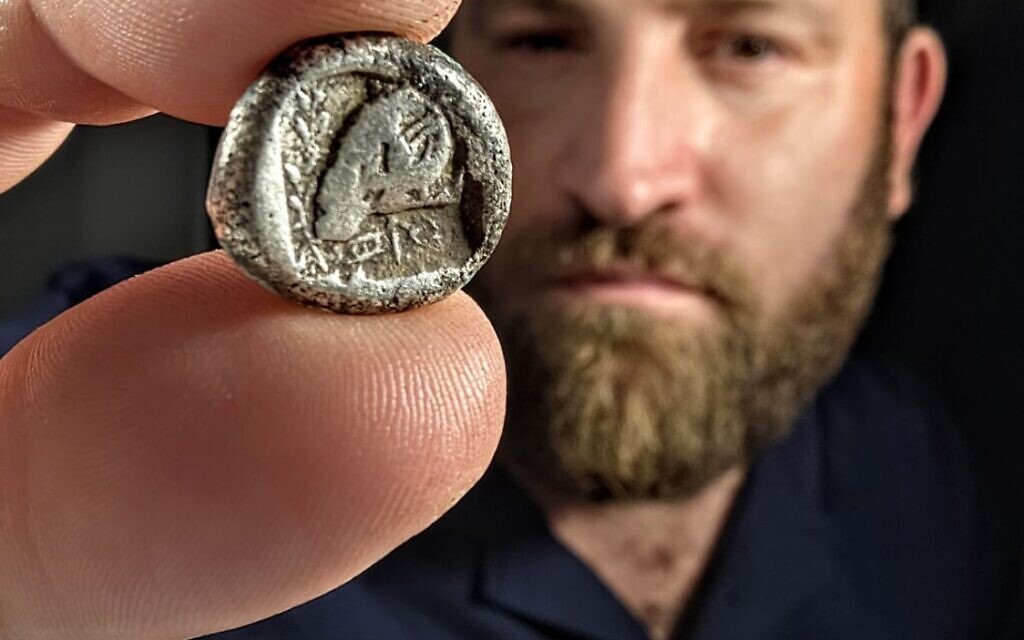
One side of the coin shows a reclining ram, while the reverse features a ram’s head inside a square alongside a laurel branch and symbols from the ancient Cypriot syllabic script.
Levy said complete coins of this size from the Persian period are rarely found.
“Coins of this size and value from the Persian period are rare altogether in the archaeological record,” he said. “Usually, silver coins of this size were not preserved intact. Over time, they were cut into small pieces, for use as local trade currency. Furthermore, evidence of such use is known mainly from inland sites in Israel. Therefore, the discovery of a complete coin from the coastal area, is thus unusual on all accounts, and of special historical importance.”
Dr Evangeline Markou, senior researcher at the Institute of Historical Research at the National Hellenic Research Foundation and an expert in ancient Cypriot coinage, said the discovery could improve historians’ understanding of trade across the eastern Mediterranean.
“Salamis coins from the 5th century BCE were circulating through the eastern Mediterranean. However, finds with an exact provenance are rarer, and therefore this coin potentially offers significant information about trade ties and movement between Cyprus and the Land of Israel during this period,” she said.
Levy added: “The circumstances of the discovery and the accurate reporting allow us researchers not only to identify the coin itself, but also to use it as a reliable source of information about economic and maritime ties that existed in this region some 2,500 years ago.”
Chaprak said there was never any question about what he should do after making the find.
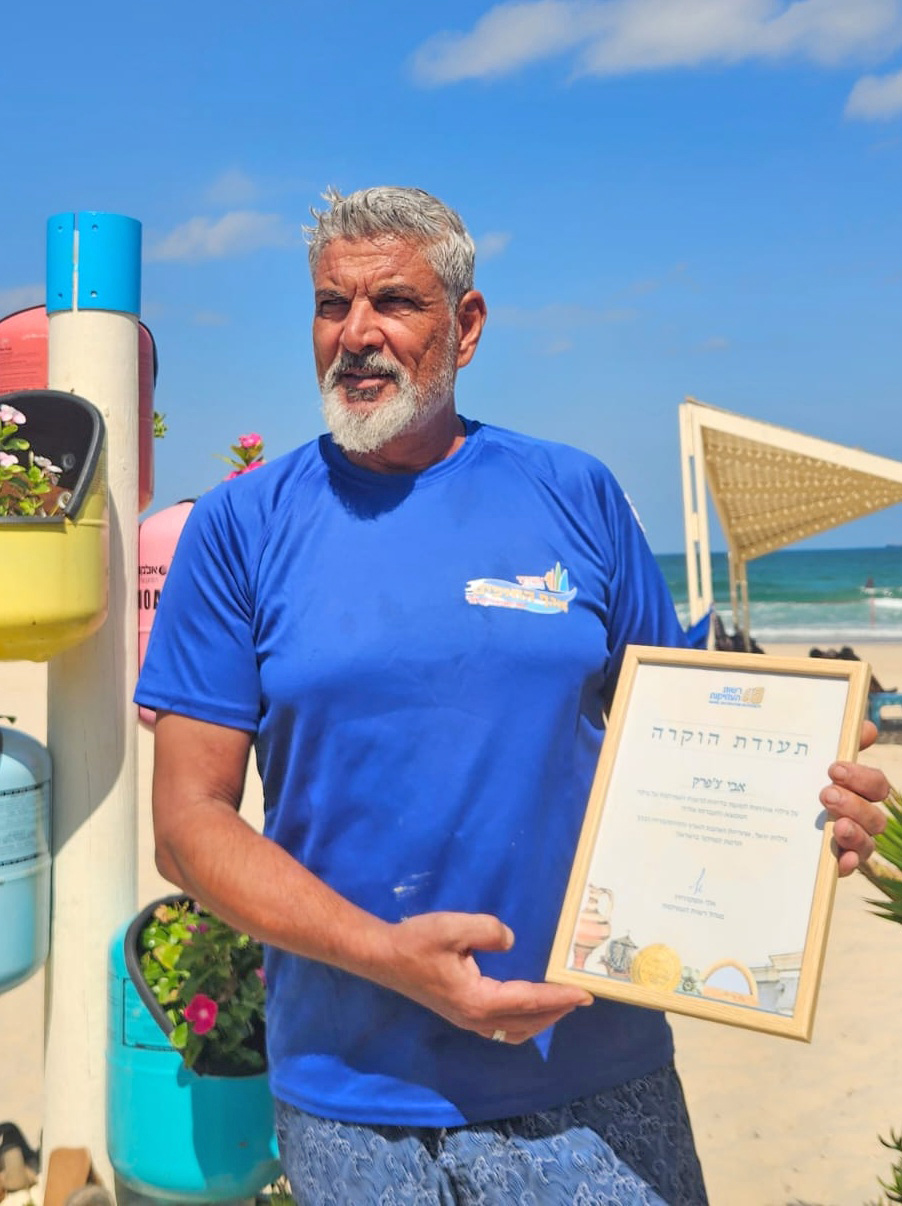
“I am happy that I was privileged to be part of a discovery of historical value,” he said. “For me, it was clear that the coin belonged to our collective heritage, so I immediately delivered it to the Israel Antiquities Authority. If through this act I contributed another small piece towards the research and history of the Land of Israel, then that is a great honour for me.”
The Israel Antiquities Authority later presented Chaprak with a certificate of appreciation in recognition of his decision to report the discovery.

Keep community journalism free.
Jewish News is free for everyone. No paywall. No barriers. Just trusted journalism for anyone who wants to stay connected to Jewish life in Britain.
If you value that, please support us.
From as little as £5 a month, you can help keep our journalism free and accessible to all.
Every day, we report on the issues that matter to our community. We celebrate achievements, support charities, challenge antisemitism and ensure Jewish voices are heard more widely.
From as little as £5 a month, you can help us continue to:
- Report on the stories shaping Jewish life in the UK and beyond
- Bring our community together through shared stories, events and campaigns
- Celebrate the people, culture and moments that define our community
- Support organisations doing vital work across Jewish Britain
You can make a one-off donation or become a regular supporter. Every contribution helps keep our journalism free, independent and accessible to all.
If everyone who values Jewish News gave a small amount, it would make a real difference to our future.