Prefer Jewish News on Google
The Day I Returned to Uniform
When the reality changed for us, and we all felt the ground shake, I felt a moral obligation to step up
Three days earlier, I could scarcely have imagined it.
I had been openly critical of Israeli policy and IDF practices, I had participated in the weekly protests against the judicial coup and been part of the support for the general strike that halted it and the firing of the then Defence Minister, Yoav Galant. Some of what I saw troubled me deeply and clashed with the values that guided my personal vision for Israel, and what led me to join the trade union movement. The values of equality, dignity, solidarity and the responsibility to protect people.
Yet when the reality changed for us, and we all felt the ground shake, I felt a moral obligation to step up.
Israel was in a state of severe shock. Families were searching for loved ones. Communities had been devastated. People had been brutally murdered in their homes, sexually attacked in a festival and taken to Gaza as hostages. The national institutions on which we depended had failed at the moment we needed them most.
I had criticisms. I also had responsibilities. In those desperate days, I felt compelled to act.

On 7 October, I reached out to my friend and my commanding officer, Lieutenant Colonel Richard Hecht. I wanted to know how he was doing. In the course of our brief whatsapp exchange, he indicated that the IDF Spokesperson Unit had things under control but they might call me in later. All eyes were also on the north, with the fear that the catastrophe in the south could become a war on another front.
Between 7 October and 10 October, I was pulled in several directions.
First, there was my family. Like so many Israelis, I was trying to be present for the people closest to me while struggling to comprehend what had happened and what might happen next.
There was my work with the international trade union movement: reaching out to colleagues, explaining what we were experiencing, and trying to sustain relationships at a moment when solidarity mattered profoundly.
And there was the immediate work of the Histadrut [Israel’s national trade union centre]. As part of its leadership, I was involved in a rapid effort to organize safe accommodation for people evacuated from the border communities, food parcels and assistance packages for families in dire need.
These were practical expressions of the values I believed in. People needed somewhere to sleep, something to eat, and someone to help them through the next day.
Then came the call to return to uniform.
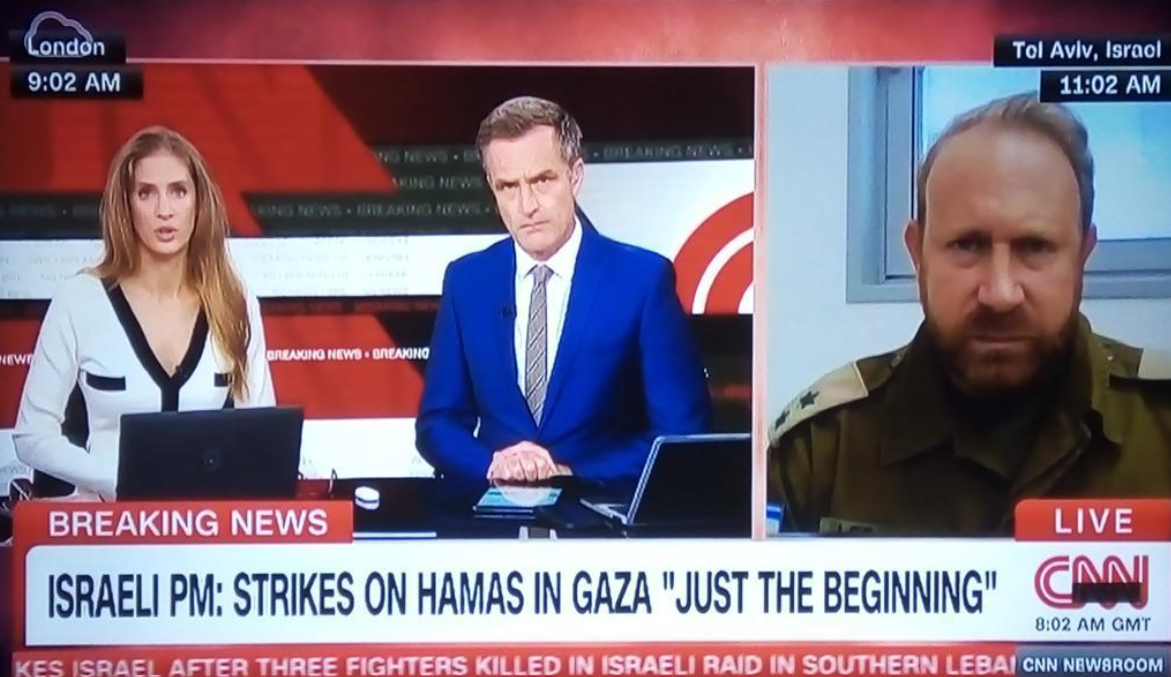
I would spend more than a year in active reserve duty, speaking on behalf of the IDF. I did so with pride and modesty: pride in the people serving and and risking their lives and in our right to defend ourselves; modesty about the limits of what any spokesperson could know, explain or promise.
I spoke for Israel’s right to self-determination, security and safety. I also believed, as I still do, that our future must include peace with our Palestinian neighbours.
Throughout my service, I remained deeply suspicious of the political echelon. Returning to uniform had not resolved my disagreements or erased my concerns. Disagreements that even came up in one BBC Radio interview. The responsibility to defend Israel made the question of where its leaders were taking us even more urgent.
I remember telling Rear Admiral Daniel Hagari that if the government’s talk of resettling Gaza became an actual policy, I would no longer serve in reserve duty.
That was a boundary I needed to make clear. I had returned to help defend our people following a devastating attack. A political project to re-establish settlements in Gaza would cross a line I could not accept.
My trade union values remained with me in uniform. Solidarity meant standing beside people in danger. Human dignity required me to care about the lives of civilians, including Palestinian civilians. Responsibility meant thinking beyond the next military operation to the future we were helping create.
Three years later, I look back on 10 October with pride, but also with painful questions.
Israel is not safer. We are heading into an uncertain election, still searching for leadership capable of turning sacrifice into lasting security. Those who served, those who lost loved ones, those forced from their homes, and those struggling to rebuild their lives deserve a credible answer about what comes next.
I remain hopeful. But hope requires something of us: the willingness to organize, to challenge failed leadership, and to insist that security and peace belong in the same conversation.
On 10 October, 2023, I put on my uniform because I felt an obligation to help protect our future.
Three years on, that obligation remains: to work for a future in which Israelis, Palestinians and the people of this region can live in safety and peace.
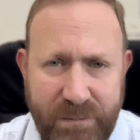
Peter Lerner is Director General of the International Relations Division at the Histadrut. Prior to that, he served as the IDF’s Spokesperson for foreign media.

Keep community journalism free.
Jewish News is free for everyone. No paywall. No barriers. Just trusted journalism for anyone who wants to stay connected to Jewish life in Britain.
If you value that, please support us.
From as little as £5 a month, you can help keep our journalism free and accessible to all.
Every day, we report on the issues that matter to our community. We celebrate achievements, support charities, challenge antisemitism and ensure Jewish voices are heard more widely.
From as little as £5 a month, you can help us continue to:
- Report on the stories shaping Jewish life in the UK and beyond
- Bring our community together through shared stories, events and campaigns
- Celebrate the people, culture and moments that define our community
- Support organisations doing vital work across Jewish Britain
You can make a one-off donation or become a regular supporter. Every contribution helps keep our journalism free, independent and accessible to all.
If everyone who values Jewish News gave a small amount, it would make a real difference to our future.