Prefer Jewish News on Google
The girl on the motorbike finds her voice in London
There was no doubt in the minds of all present at St John’s Wood synagogue that Noa Argamani is a reminder of what the victims of 7 October could have been
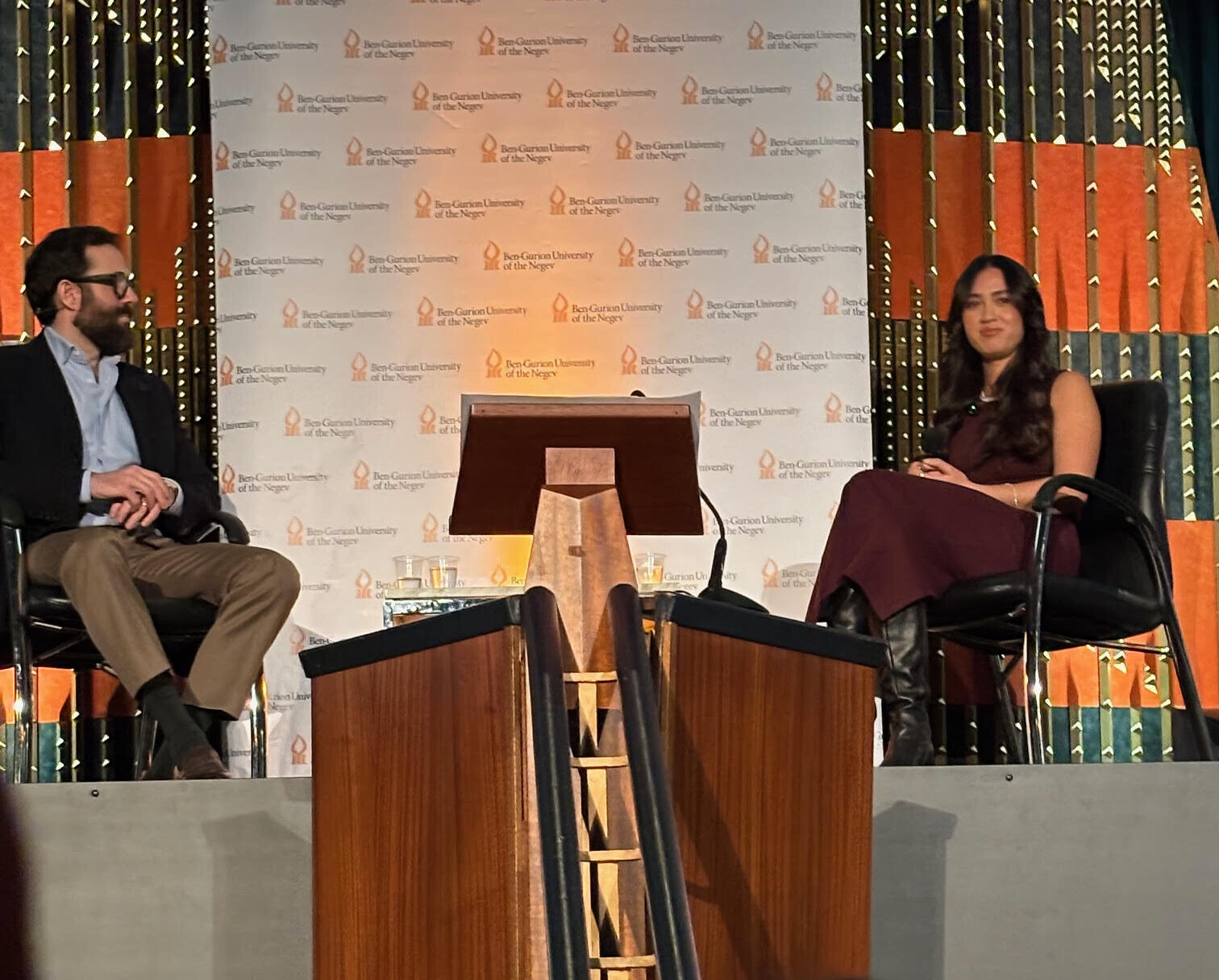
There are moments in journalism when a story returns to you. Not as an archived image, but as a person standing in front of you. Thursday night was one of them. Noa Argamani — the young woman the world came to know as the ‘girl on the motorbike’ – begging for her life on 7 October 2023, was at St John’s Wood Synagogue.
That 800 people came to see her at an event hosted by Ben Gurion University UK, spoke to something beyond recognition. It showed how many still carry Noa with them. Introduced by Anne Berger, president and chair of the UK Foundation, Noa was presented not simply as a former hostage, but as one of their own — an undergraduate of the university.
Her presence even brought the university’s president, Jeff Kaye, from Israel who said with pride, that there could be “no better example of the teaching DNA than in our students.” It was Noa’s friends, he reminded us, who carried her story globally, building a campaign that refused to let her be forgotten until she was rescued on 8 June, 2024, after 246 days in captivity.
When Noa walked towards the bimah – serving as a stage, the entire room rose to its feet. She looked so composed and beautiful, it was almost impossible to reconcile her with the terrified figure in the Hamas pro cam video.Until she spoke.
She described the moments when the Nova festival was stopped by rockets to saying goodbye to her friends – “I didn’t know that it would be the last time that I would see them again.”

Noa also spoke about the moment that she understood terrorists were surrounding them and they had to escape. How she stayed on the phone with friends in another car. “I heard my friend screaming… and then the terrorists shouting ‘Allahu Akbar’…”
I was listening to Noa so intently, I didn’t realise I was crying. Because the evening had become about more than her story. For me it closed a circle.
On 11 October 2023, four days after the Hamas massacre, I spoke to Raz Yadai Gantz, standing on his parents’ balcony in Tel Aviv. We didn’t know one another, but I had discovered he was a DJ and reached out to him on Facebook in a moment of raw grief when he was willing to speak.
He had just come from three funerals — Matan Lior, Naor Levi, Michael Vaknin – his dearest friends who had been at the festival for peace. Raz had been up north camping, a decision that saved his life, but now he was sobbing and apologising for struggling to speak. What consumed him most was not only the friends he had lost, but those who were still missing. He told me first about Shani Louk and then… Noa Argamani. “It’s her birthday in a few days,” he said.
I wrote Raz’s story and followed the names of his friends. The tragic fate of Shani Louk was revealed on the 30 October but Noa was still one of the missing, suspended between hope and dread. But last night, Noa was sitting in front of me, telling us what we did not see. How she survived.
How she was held with hostage Emily Hand, then eight and Hila Rotem-Shoshani, then twelve, who had both been taken from Kibbutz Be’eri. I thought about Emily’s father, Thomas who was such a presence on British television in those early weeks, searching for his daughter, not knowing if she was alive.
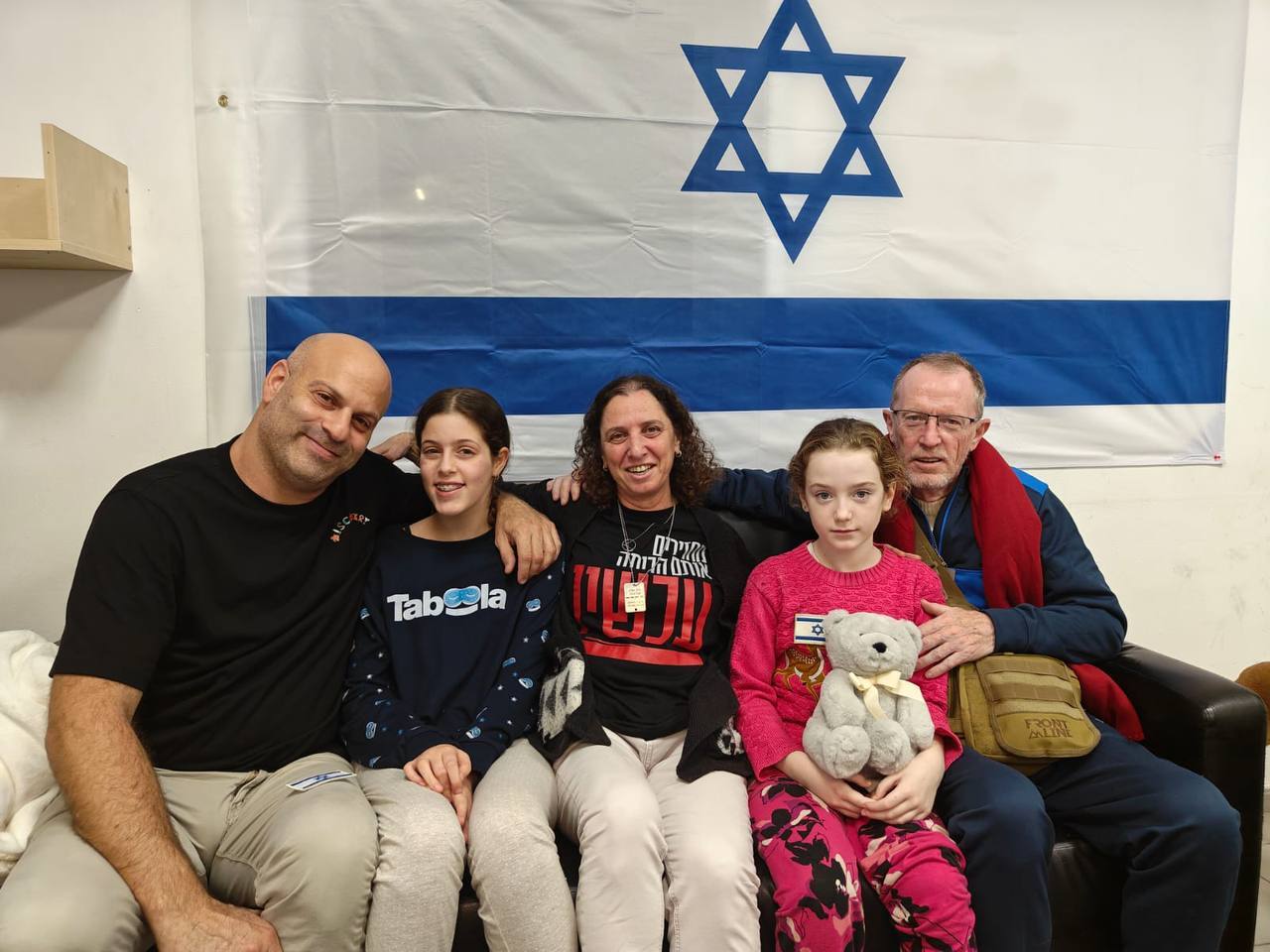
“They were kidnapped in their pyjamas… Disney pyjamas,” said Noa who found herself cast as their protector and the one to hold things together.
“I was the one to communicate,” she said. “I learned Arabic… to ask for things. I tried to keep them busy… I asked for pen and paper… to give them something to do.” But everything carried risk. “We were afraid to talk in Hebrew… afraid someone would hear us.”
Later, when the girls were released, Noa was moved and held with two other hostages; Yossi Sharabi and Itay Svirsky who became her closest companions. Hard though this was to hear, the Israeli airstrike, part of the wider military operation that would ultimately make her rescue possible — saw the building they were in collapse. “We were stuck under the rubble,” said Noa. She survived. Yossi Sharabi did not.
Days later, she and Itay were taken to another location. Then, in front of her: “They executed him.” She paused. “The terrorist said ‘Allahu Akbar’… and in two days I lost two of my best friends.”
After that, Noa spent five months alone.
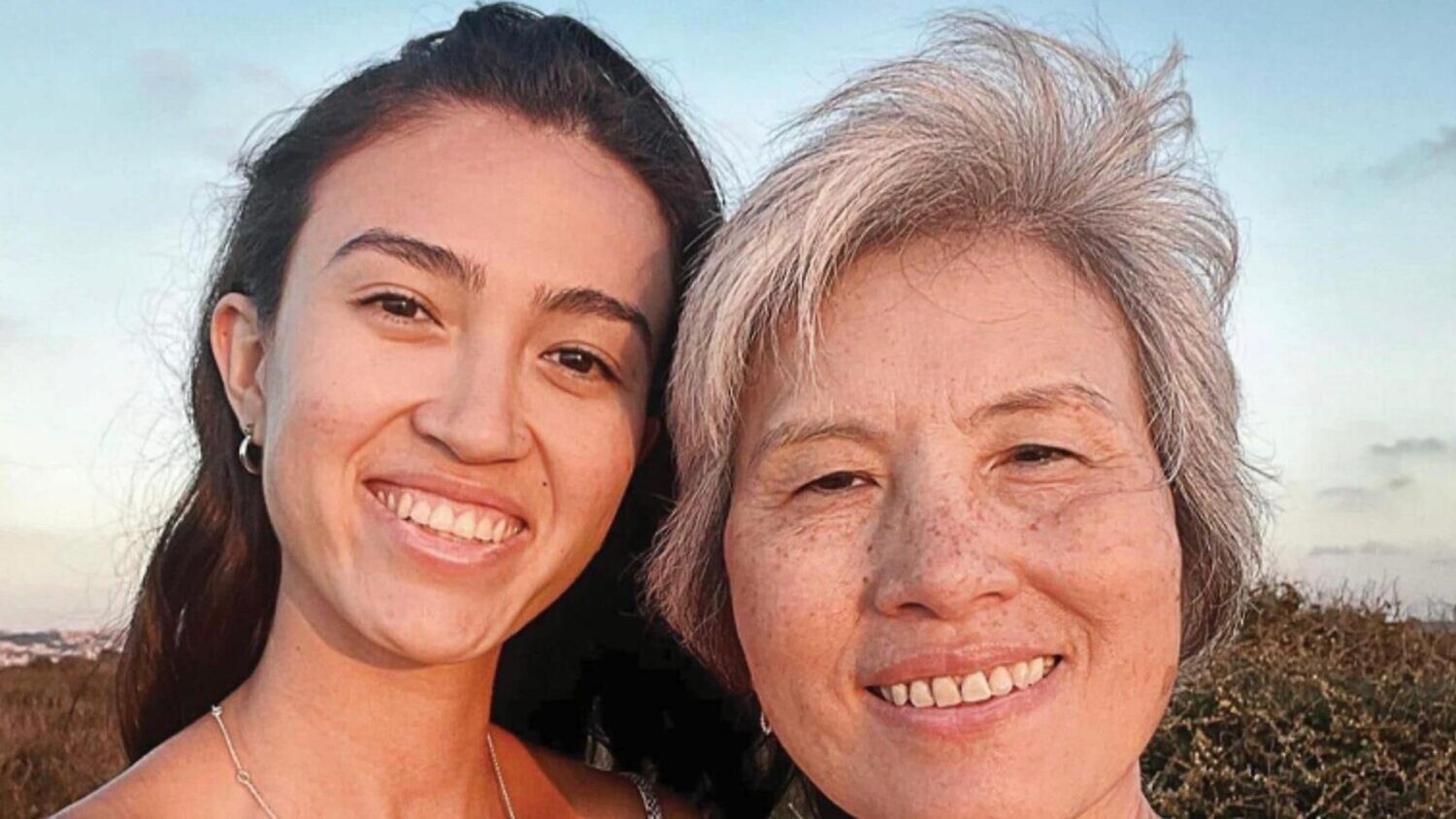
How Noa survived this was in part and crucially because of her mother, Liora. Her mother had been seriously ill before Noa was kidnapped. Noa was due to take her mother to a hospital appointment on the 8 October. This simple act became one of huge magnitude when Noa was alone in Gaza.
“I was so angry at myself that I wasn’t there,” she said. “I was supposed to be with her. Everything I thought about was her. I didn’t know if I would make it out before she would pass away.”
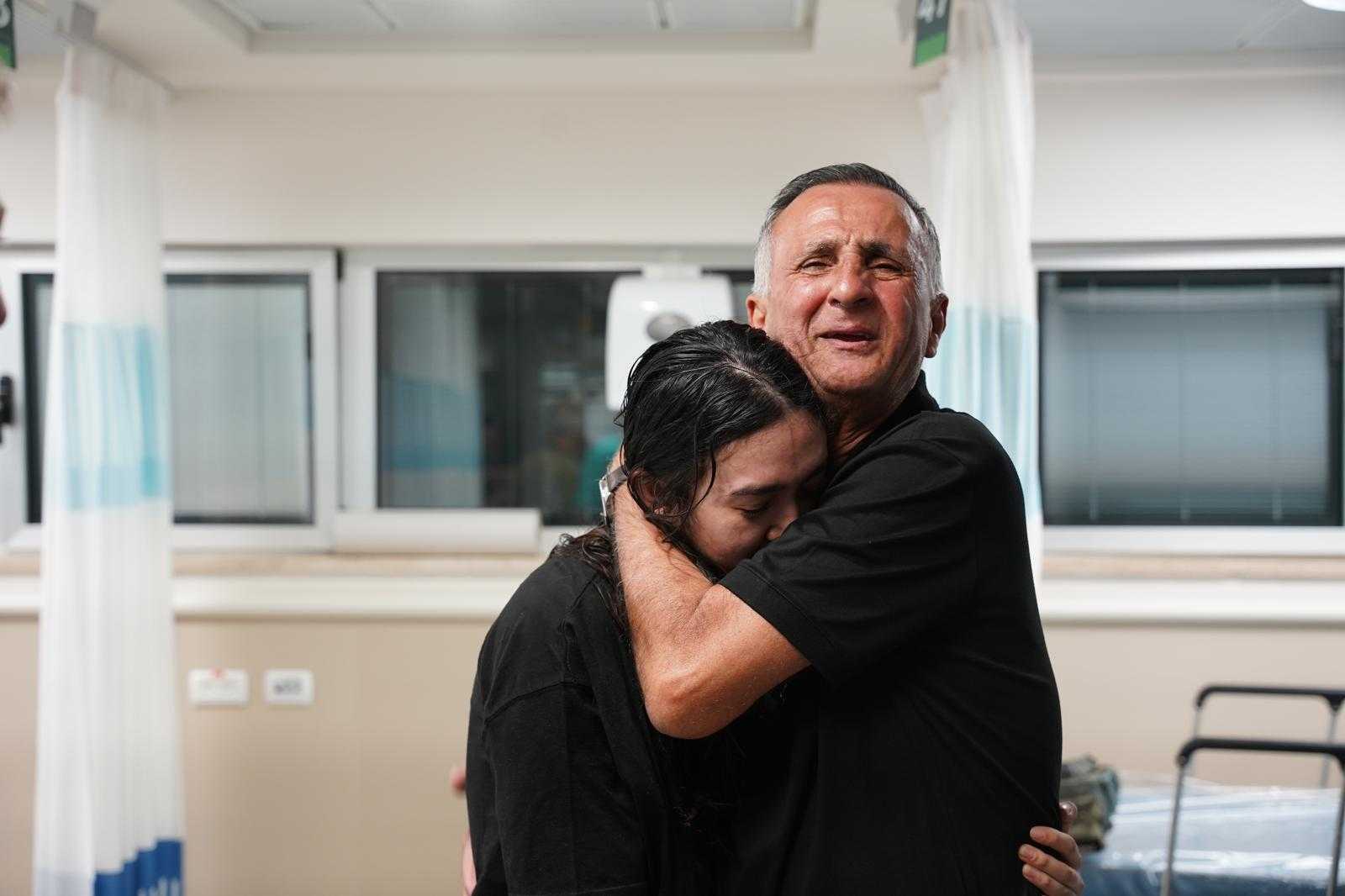
The first question Noa asked when she was rescued was “is my mother still alive?” She was. Noa made it back in time to see her mother and this was the snapshot she had played over and over in her mind. “I didn’t know I would have the chance to say goodbye… I didn’t know if I ever would.”
Noa also attributed her survival to “talking to God every day… just to be grateful” – and in addition and most unexpectedly, the mindset she learned from the Hamas terrorists holding her.
“From them I learned how to not be afraid about death,” she said. “They pray for death while we’re praying for life. But the belief is that everything that is for you is written from God… no matter what, you can’t change it.”
That the jihadist mindset had, in some way, proved useful in captivity was not lost on Sacerdoti or the audience, and there was even a moment of pale laughter.
Noa went on. “It was really helpful… you live in the moment… you don’t think about tomorrow. I told myself that I don’t need to be afraid… I just need to survive. Because in the end, you don’t know what to expect… so you just survive each moment.”
When the rescue finally happened Noa did not know who had come for her. She said she remembered what she learned about the capture of Gilad Shalit. That someone had pretended to be Israeli and so she could not assume the men entering the room were there to save her. It was a hug that allowed her to believe it. “They came into my room… and I felt that hug,” she said “I didn’t feel something like that for so long.”
Only later did she understand what it had taken. An Israeli officer, Chief Inspector Arnon Zamora was killed during the rescue. “When I heard about the soldier that was killed… I felt both things together.” Noa meant the joy of being rescued and the pain of what it had cost. I am crying as I write this now and others will too if they understand.
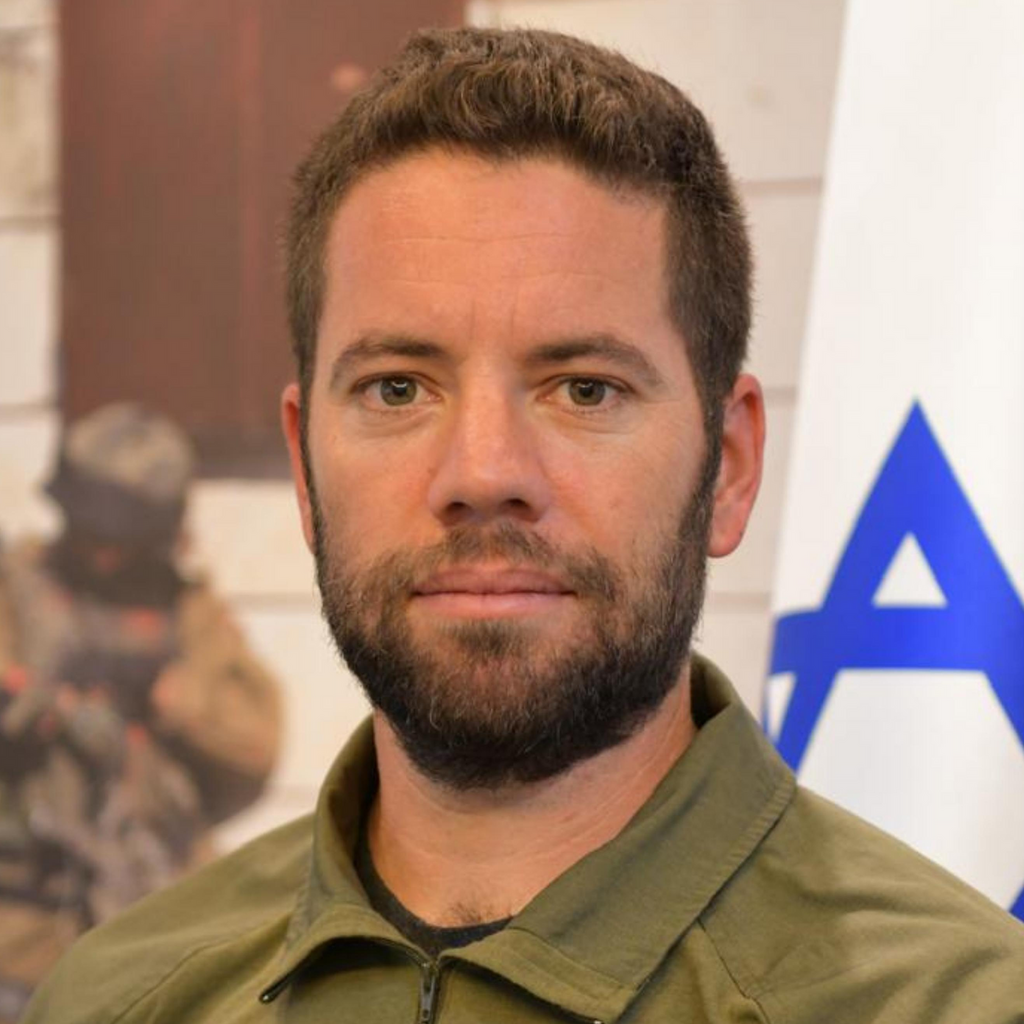
Chief Inspector Zamora’s family met Noa at the hospital, once she was back in Israel. “They told me how proud they were… and I saw their pain,” she recalled.“This is Israel. We can’t have joy without grief.”
Since her rescue, Noa’s life has been propelled beyond anything she imagined.She has travelled internationally, campaigning for the remaining hostages —most importantly her boyfriend, Avinatan Or, a fellow Ben Gurion University student.
“I used that stage… especially to talk about those people that are no longer with us and to mention the people that suffer in Israel and all the soldiers with PTSD.”
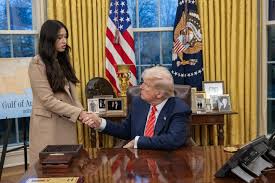
Her efforts took her to the United States, where she addressed the United Nations and met President Donald Trump – a path that felt at odds with the life she once imagined. “I was just a normal student,” she said. “I just wanted to graduate… to have a job nine to five… and live my life with the people that I love.”
The campaign to bring Avinatan home defined her public voice, and though Sacerdoti only touched upon it, as it is private, it was implied that life after survival does not always return things to what they were.
Asked about her future Noa was clear as one might expect a person who discovered coding as a child might be.
“Coming back to school is one of the first things that I wanted to do, because it reminds me who I am and what I love to do. While all the world around me is shaking, coming back to school and going to lectures… it didn’t change in all this time. But from the other hand, I look at all the skills that I collected in the last two years, and I say — to be behind the screen, it’s not taking advantage of all the skills that I have. Maybe I want to do something bigger, with more impact.”
There was no doubt in the minds of all present at St John’s Wood synagogue that Noa will be a light in the darkness and confusion. A reminder of what the victims of October 7 could have been.
I thought of Raz Yadai Gantz. Of that balcony. Of the funerals. Of the names. Seeing Noa brought the story full circle. Hearing it did not make it easier. It made it real.

Keep community journalism free.
Jewish News is free for everyone. No paywall. No barriers. Just trusted journalism for anyone who wants to stay connected to Jewish life in Britain.
If you value that, please support us.
From as little as £5 a month, you can help keep our journalism free and accessible to all.
Every day, we report on the issues that matter to our community. We celebrate achievements, support charities, challenge antisemitism and ensure Jewish voices are heard more widely.
From as little as £5 a month, you can help us continue to:
- Report on the stories shaping Jewish life in the UK and beyond
- Bring our community together through shared stories, events and campaigns
- Celebrate the people, culture and moments that define our community
- Support organisations doing vital work across Jewish Britain
You can make a one-off donation or become a regular supporter. Every contribution helps keep our journalism free, independent and accessible to all.
If everyone who values Jewish News gave a small amount, it would make a real difference to our future.