Prefer Jewish News on Google
Tracing a Nazi official who helped save a Jewish family
A Yiddish survivor testimony led two researchers to uncover a story of rescue, power and moral ambiguity
It began with a voice on an old recording.
Decades after the war, a Jewish survivor named Jacob gave a filmed testimony in Yiddish. In it, he described a German occupation official who intervened during a deportation in eastern Galicia, pulling members of his family out of a selection and returning them to work at a flour mill. Months later, the same man warned them in advance that deportations were widening, giving them time to flee into the forests.
For years, that figure remained little more than a shadow in the story, identified only by a surname: Lang.
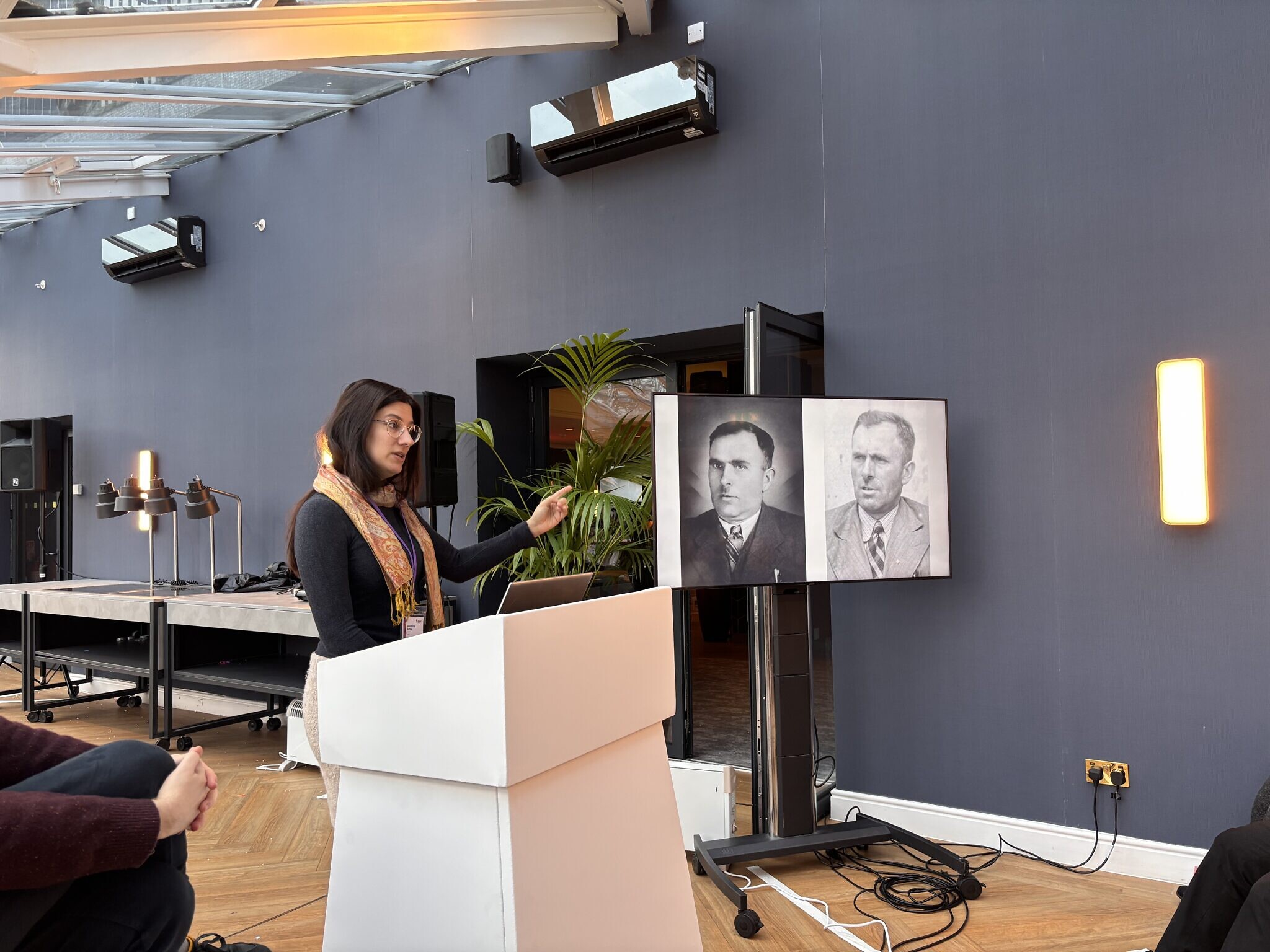
At Limmud Festival, researchers Izzy Posen and Jasmina Griffoul told how they followed that fragment of testimony into the archives, uncovering an extraordinary, and deeply uncomfortable, story that sits firmly in the grey spaces of Holocaust history.
Posen, a native Yiddish speaker, initially translated Jacob’s testimony so his descendants could understand what he had lived through. “The family didn’t really know this story,” the researchers explained. “It had never been passed down in full.” What began as a translation project soon became something else entirely.
Together, Posen and Griffoul, who are married to each other, traced names, dates and places through German occupation files, post-war compensation claims and regional records. Slowly, a fuller identity emerged: Friedrich Lang, born in 1899.
Lang, they told the audience, was an ethnic German – a Volksdeutsche – living as a Polish citizen before the war. Under Nazi occupation, he underwent the regime’s “Germanisation” process, which scrutinised ancestry, health and physical characteristics, and was subsequently absorbed into the occupation administration. He became a mill manager and a regional agricultural official, operating under SS authority.
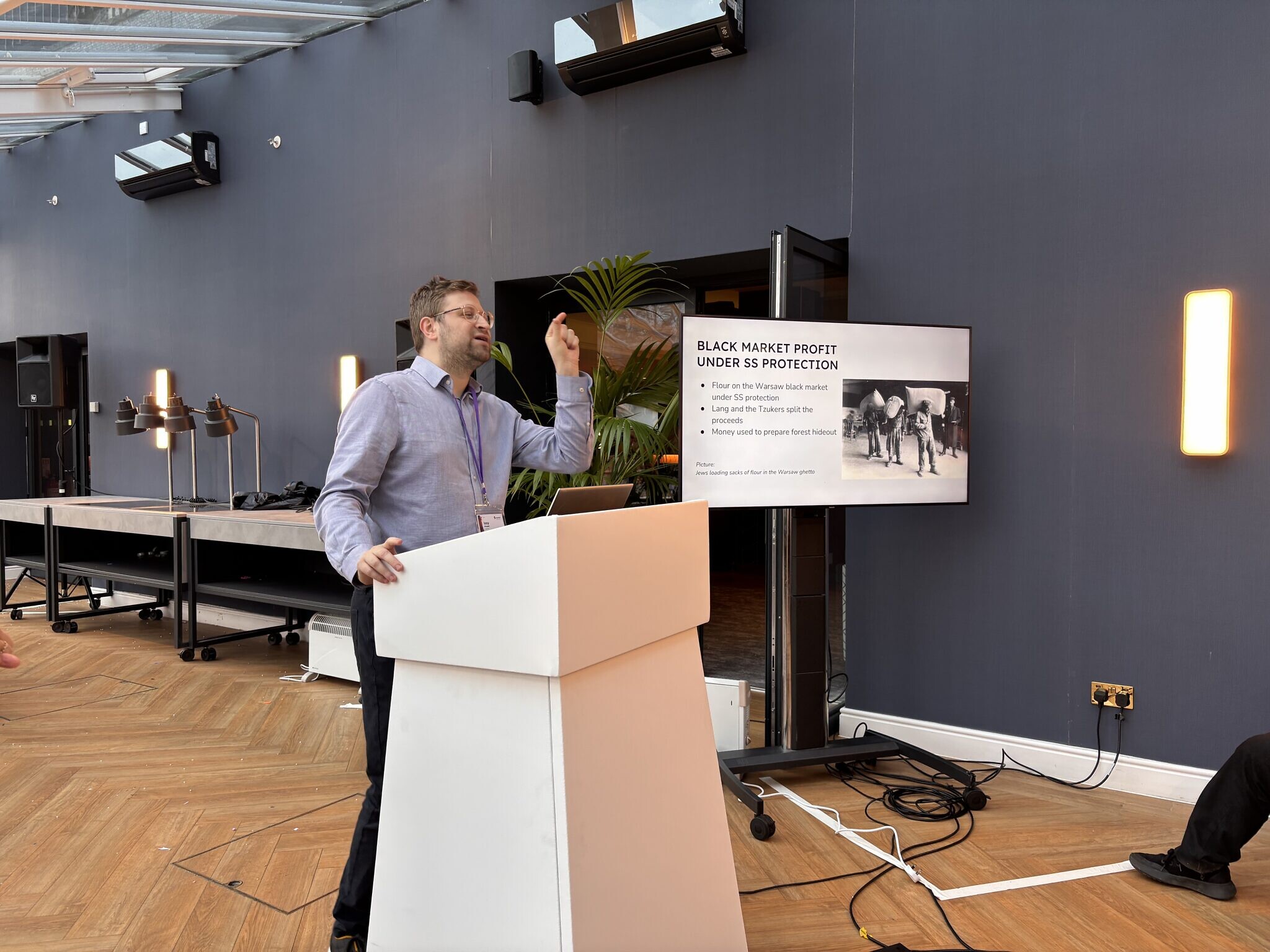
That status, the researchers said, explains how he was able to act as Jacob described: intervening at selections, designating Jewish labour as essential, and issuing warnings that allowed a family to escape almost certain death.
But the same documents also exposed the cost of that power. The mill itself had been seized from its Jewish owners under Nazi “Aryanisation” policies. Lang benefited materially from the occupation system, and the mill became part of a black-market economy in flour, operating with SS protection. According to the testimony shared at Limmud, profits were split between Lang and the Jewish family – money that later funded bunkers, food and weapons in the forest.
“It’s not a story of pure heroism,” the speakers said. Nearby Jews were starving in ghettos while flour was sold elsewhere. Survival, profiteering and coercion existed side by side.
The session deliberately resisted easy conclusions. The audience was asked to vote on Lang’s motivations: righteous intent, self-interest, or something in between. Many chose uncertainty.
That ambiguity matters, Posen and Griffoul argued, because recognition frameworks such as Yad Vashem’s Righteous Among the Nations require that rescuers act without financial gain – a criterion this case does not clearly meet.
Lang himself did not survive the war. Archival material indicates he was killed by partisans in June 1944. His widow later sought compensation in post-war Germany, claiming losses linked to the mill. Those claims, the researchers said, ultimately ran up against findings that the property had been acquired through Nazi seizure of Jewish assets.
One of the most striking moments of the session came when researchers described tracing Lang’s living descendants. They had never heard this story. When contacted, they wrote back: “We were very moved and touched by the news about the grandfather, whom we never knew. What a joy to have such a courageous grandfather.”
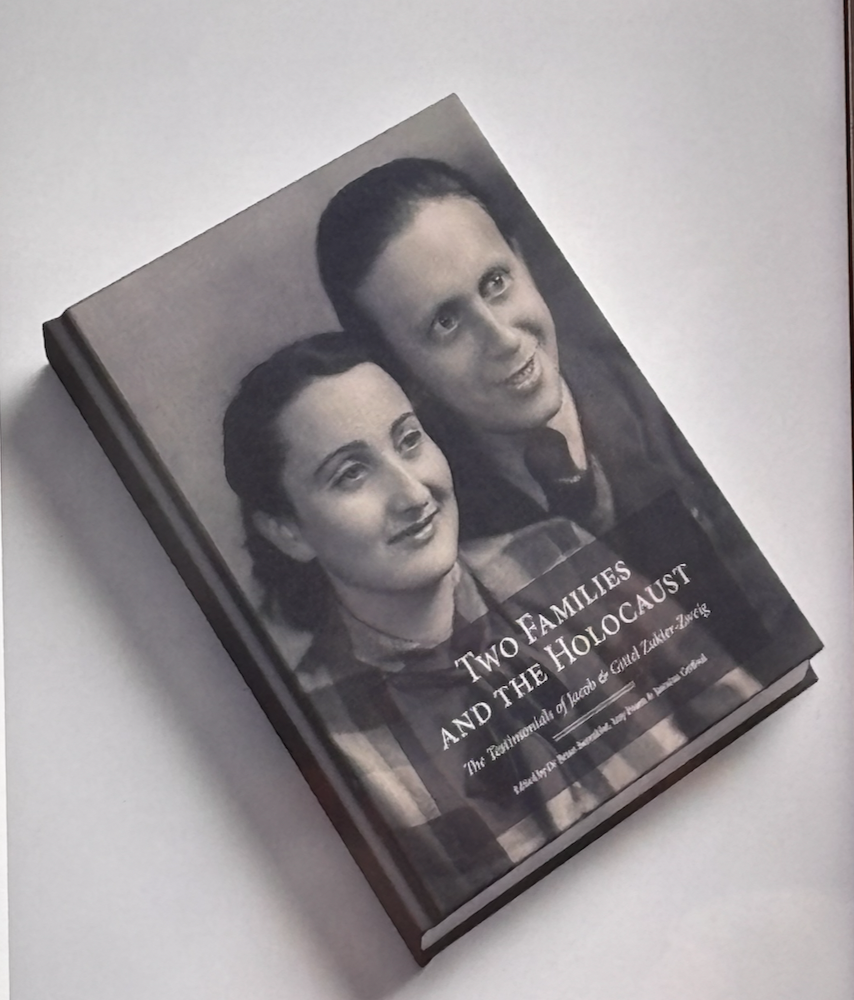
The research now forms the basis of a forthcoming book by Posen and Griffoul, Two Families and the Holocaust, which traces the intertwined wartime histories of a Jewish family and a German family through survivor testimony and original archival research – and asks how acts of humanity can coexist with complicity in the darkest of times.

Keep community journalism free.
Jewish News is free for everyone. No paywall. No barriers. Just trusted journalism for anyone who wants to stay connected to Jewish life in Britain.
If you value that, please support us.
From as little as £5 a month, you can help keep our journalism free and accessible to all.
Every day, we report on the issues that matter to our community. We celebrate achievements, support charities, challenge antisemitism and ensure Jewish voices are heard more widely.
From as little as £5 a month, you can help us continue to:
- Report on the stories shaping Jewish life in the UK and beyond
- Bring our community together through shared stories, events and campaigns
- Celebrate the people, culture and moments that define our community
- Support organisations doing vital work across Jewish Britain
You can make a one-off donation or become a regular supporter. Every contribution helps keep our journalism free, independent and accessible to all.
If everyone who values Jewish News gave a small amount, it would make a real difference to our future.