Prefer Jewish News on Google
Urgent call to protect young Israeli women at risk of abuse in the UK
Jewish Women’s Aid and campaigner Ramie Smith warn of growing crisis affecting vulnerable brides brought from Israel to marry strictly-Orthodox Jewish men
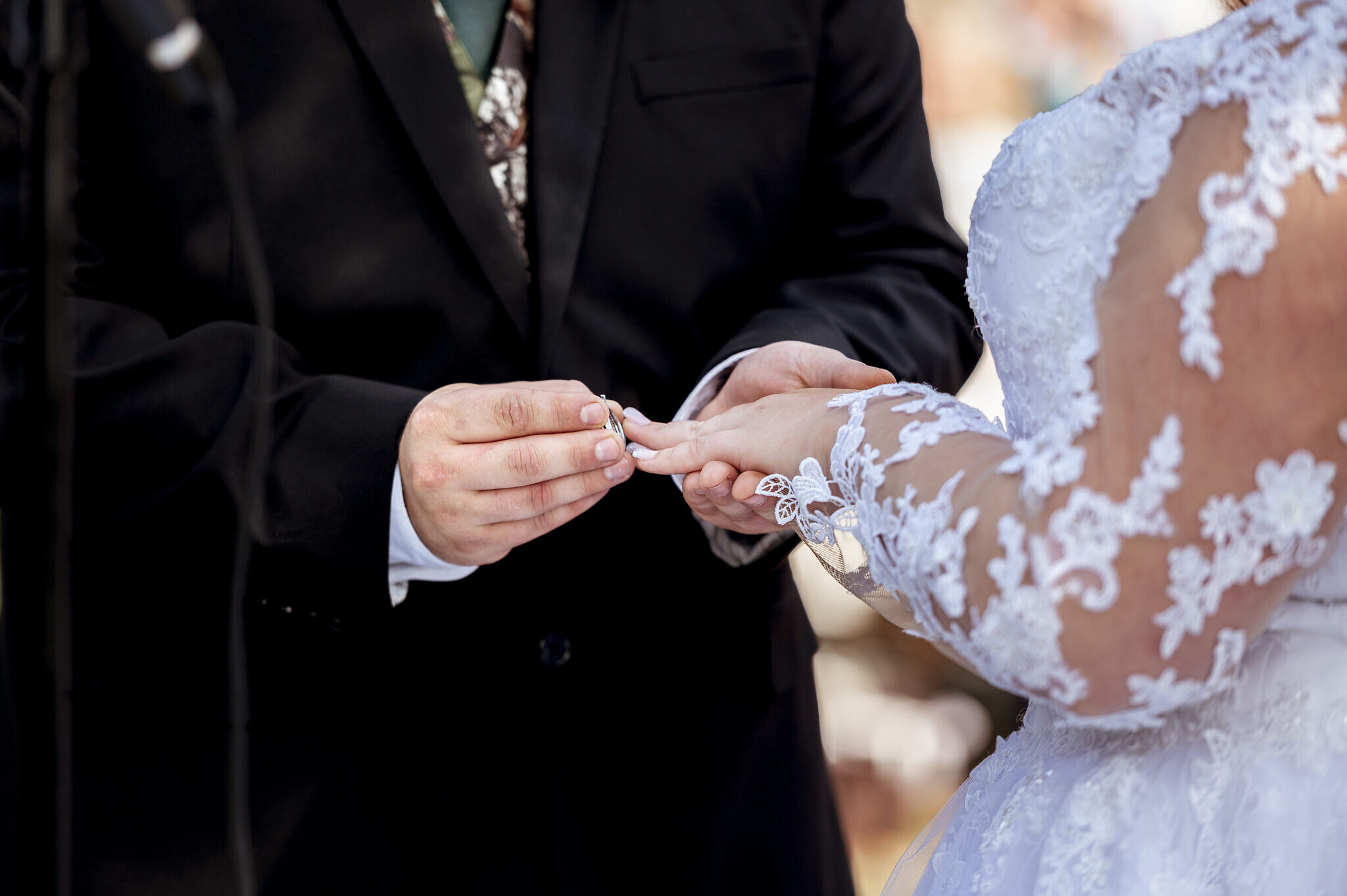
Community leaders and frontline services are being urged to take urgent action after harrowing testimonies emerged from young Israeli women brought to Britain under the promise of marriage, only to be trapped in abusive relationships.
Jewish Women’s Aid (JWA) and Rabbanit Ramie Smith, co-founder of GETToutUK, confirmed they are now supporting a rising number of such cases.
The call follows a Jewish Chronicle investigation last week, revealing testimonies from Israeli women under 25 subjected to domestic abuse, sexual violence, and get refusal after being brought to the UK.
Sam Clifford, JWA’s chief executive, said her organisation has helped six women in such situations in the past six months. “We cannot ignore the fact that vulnerable young women are being brought here with the promise of safety and stability, but face abuse, control, and isolation,” she warned. “Every rabbi, matchmaker, community leader, and frontline worker must be equipped to recognise the warning signs and ensure these women get the help they need. The priority must be to stop these situations developing.”
She added that JWA offers Hebrew-speaking counsellors and confidential support: “Our services can provide a safe space to rebuild a life free from fear and control.”



Ramie Smith, who works internationally on complex Get-abuse cases, said she has supported more than a dozen Israeli women in similar circumstances over the past year, including one married as a teenager.
“Too many women are trapped for years in the most damaging circumstances, some with children, unable to leave because of legal, financial, or religious barriers,” she said. “Many do not speak English, making it even harder to seek help. We need the full support of the law and frontline services, from police to social services, to identify victims early and protect them. It might be uncomfortable to confront, but it is something we must, as a community, address.”
Both organisations called for prevention, awareness, and cross-community responsibility to ensure vulnerable women are not left isolated or silenced.

Keep community journalism free.
Jewish News is free for everyone. No paywall. No barriers. Just trusted journalism for anyone who wants to stay connected to Jewish life in Britain.
If you value that, please support us.
From as little as £5 a month, you can help keep our journalism free and accessible to all.
Every day, we report on the issues that matter to our community. We celebrate achievements, support charities, challenge antisemitism and ensure Jewish voices are heard more widely.
From as little as £5 a month, you can help us continue to:
- Report on the stories shaping Jewish life in the UK and beyond
- Bring our community together through shared stories, events and campaigns
- Celebrate the people, culture and moments that define our community
- Support organisations doing vital work across Jewish Britain
You can make a one-off donation or become a regular supporter. Every contribution helps keep our journalism free, independent and accessible to all.
If everyone who values Jewish News gave a small amount, it would make a real difference to our future.