Prefer Jewish News on Google
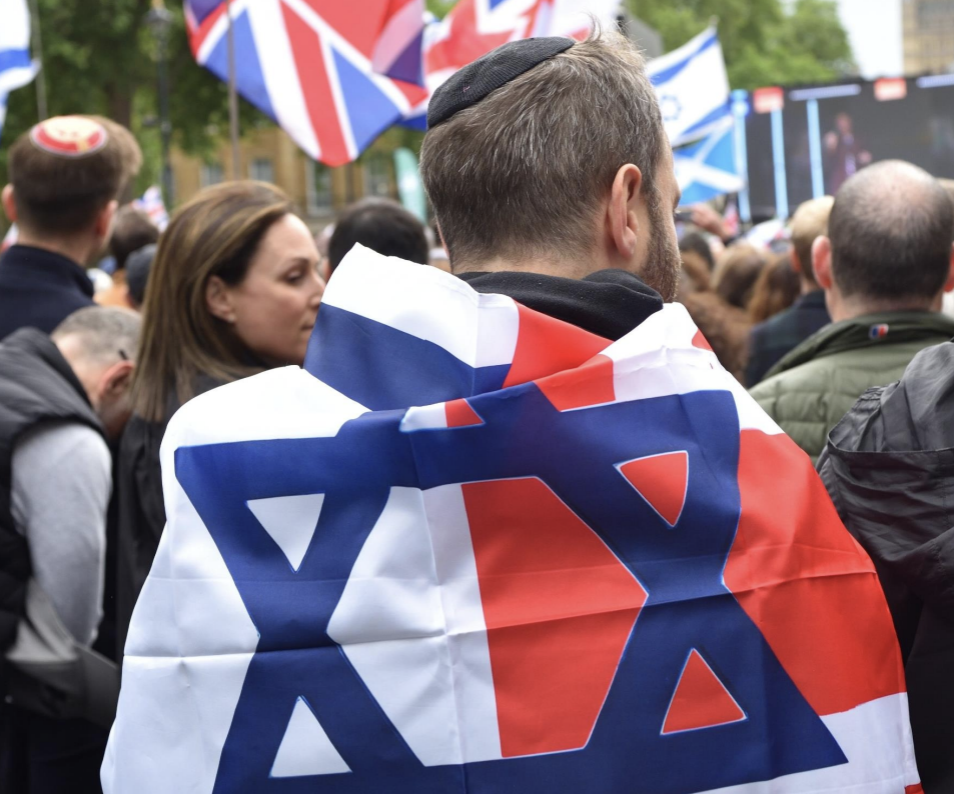
The 7 October attacks brought British Jews closer together and strengthened their ties to Israel, but did not lead to the widespread return to Jewish religious life that some had predicted, a major new study has found.
Research by the Institute for Jewish Policy Research (JPR) reveals that while Jewish solidarity has grown since the Hamas attacks three years ago, so too have fears about antisemitism and personal safety in Britain.
The study, which followed more than 2,500 British Jewish adults through six surveys between 2020 and 2025, found that half now regard antisemitism as a very big problem in the UK, compared with just 17 percent before 7 October.
Researchers also recorded a lasting rise in anxiety among British Jews, alongside declining feelings of safety and security.
Yet despite these concerns, the findings suggest that the attacks did not fundamentally change how religiously involved British Jews are.



Synagogue attendance, religious practice and the overall strength of Jewish identity remained largely unchanged, challenging claims of a Jewish revival following the attacks.
The report examines the idea of the so-called ‘October 8 Jew’, a term used to describe people who became more connected to their Jewish identity after 7 October.
While researchers found little evidence of a widespread religious awakening, they identified a significant shift in attitudes towards Israel.
The proportion of British Jews who said they felt very emotionally attached to Israel rose from 38 percent in May 2023 to 51 percent in June 2025.
Meanwhile, 66 percent identified as Zionist in 2025, up from 59 percent in 2022. The proportion identifying as anti-Zionist remained at around 10 percent.
Supporting Israel also became a more important part of Jewish identity, with 48 percent describing it as very important nine months after the attacks, compared with 35 percent beforehand.
JPR executive director Dr Jonathan Boyd said the findings painted a more complicated picture of how British Jewish life had changed.
“This is not really a story about Jewish revival. It is a story about a community drawing closer together under pressure. British Jews emerged from 7 October more united and more connected to Israel, but not fundamentally transformed. This solidarity has endured, but solidarity forged in crisis should not be mistaken for renewal.”
He warned that greater unity alone would not guarantee a stronger future for Jewish life in Britain.
“Resilience is enormously valuable, but resilience alone cannot secure the future of Jewish life.”
Boyd also urged community leaders to build on the stronger sense of solidarity, while calling on the government to recognise the wider impact of antisemitism.
“The challenge is not only to keep Jews safe, but to rebuild their confidence in Britain’s future.”
The report, October 8 Jews: the impact of October 7 on British Jewish identity, was written by JPR senior research fellow Dr David Graham.

Keep community journalism free.
Jewish News is free for everyone. No paywall. No barriers. Just trusted journalism for anyone who wants to stay connected to Jewish life in Britain.
If you value that, please support us.
From as little as £5 a month, you can help keep our journalism free and accessible to all.
Every day, we report on the issues that matter to our community. We celebrate achievements, support charities, challenge antisemitism and ensure Jewish voices are heard more widely.
From as little as £5 a month, you can help us continue to:
- Report on the stories shaping Jewish life in the UK and beyond
- Bring our community together through shared stories, events and campaigns
- Celebrate the people, culture and moments that define our community
- Support organisations doing vital work across Jewish Britain
You can make a one-off donation or become a regular supporter. Every contribution helps keep our journalism free, independent and accessible to all.
If everyone who values Jewish News gave a small amount, it would make a real difference to our future.