Prefer Jewish News on Google
Laniado develops Israel’s first autism-friendly paediatric emergency department
Virtual reality headsets, acoustic insulation and a sensory-adapted treatment room set to transform emergency care for children with autism
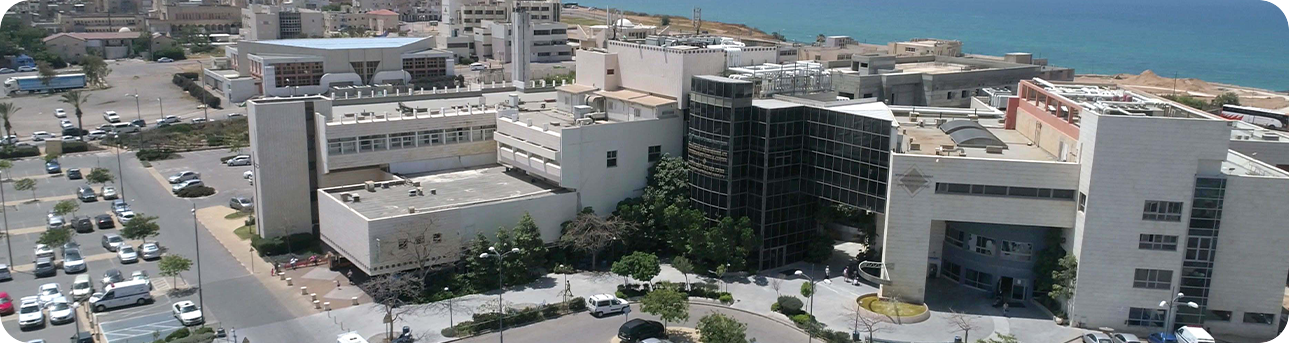
Laniado Hospital in Netanya has partnered with ALUT (The Israeli Society for Children and Adults with Autism), to become the first medical institution in the country with an autism-friendly paediatric emergency department.
For children with autism and other developmental disabilities, an A&E department can be an extremely overwhelming environments. Bright lights, loud noises, crowded waiting areas, unfamiliar caregivers, physical examinations, and unpredictable procedures can all trigger severe sensory overload and anxiety.
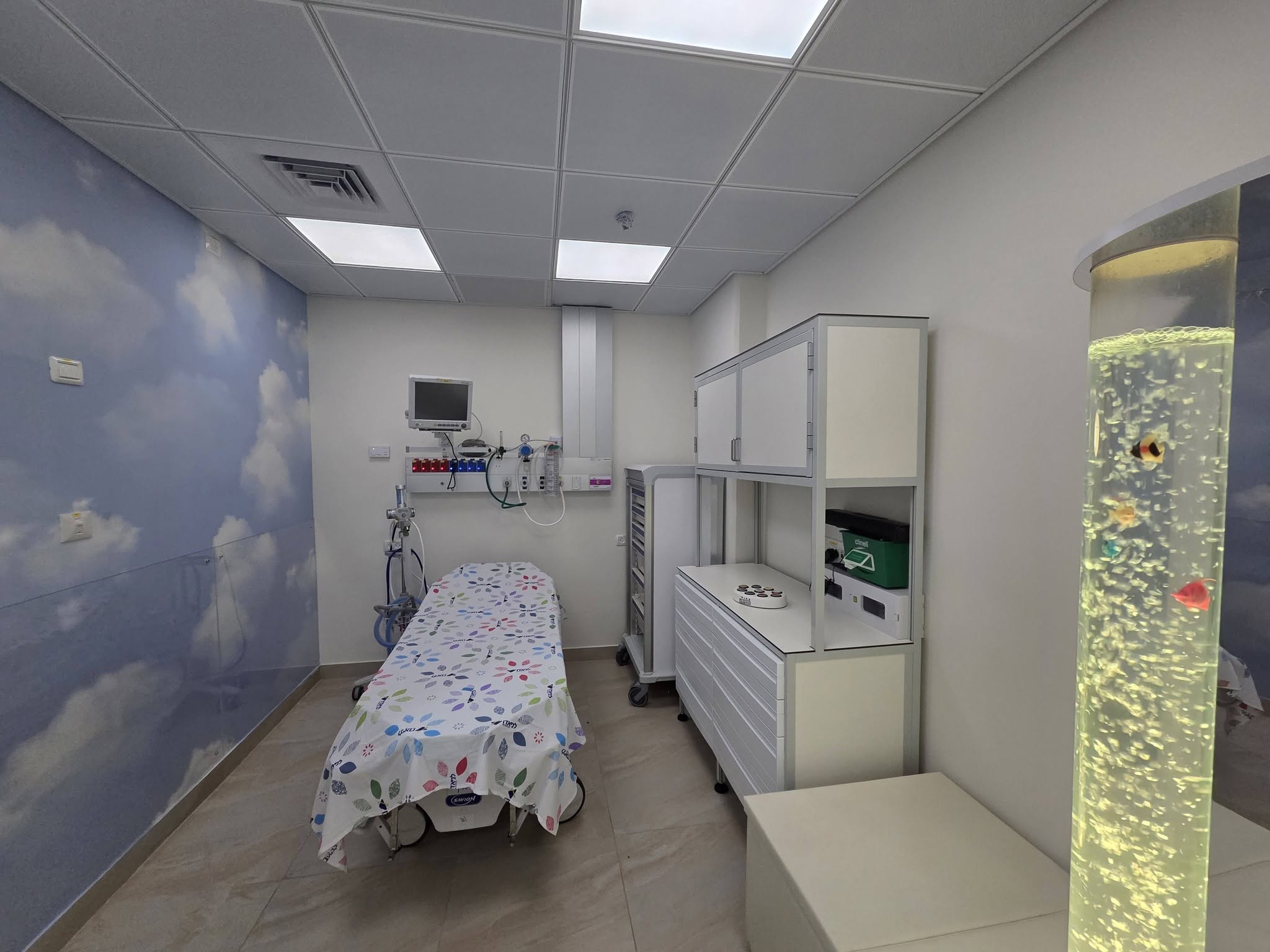
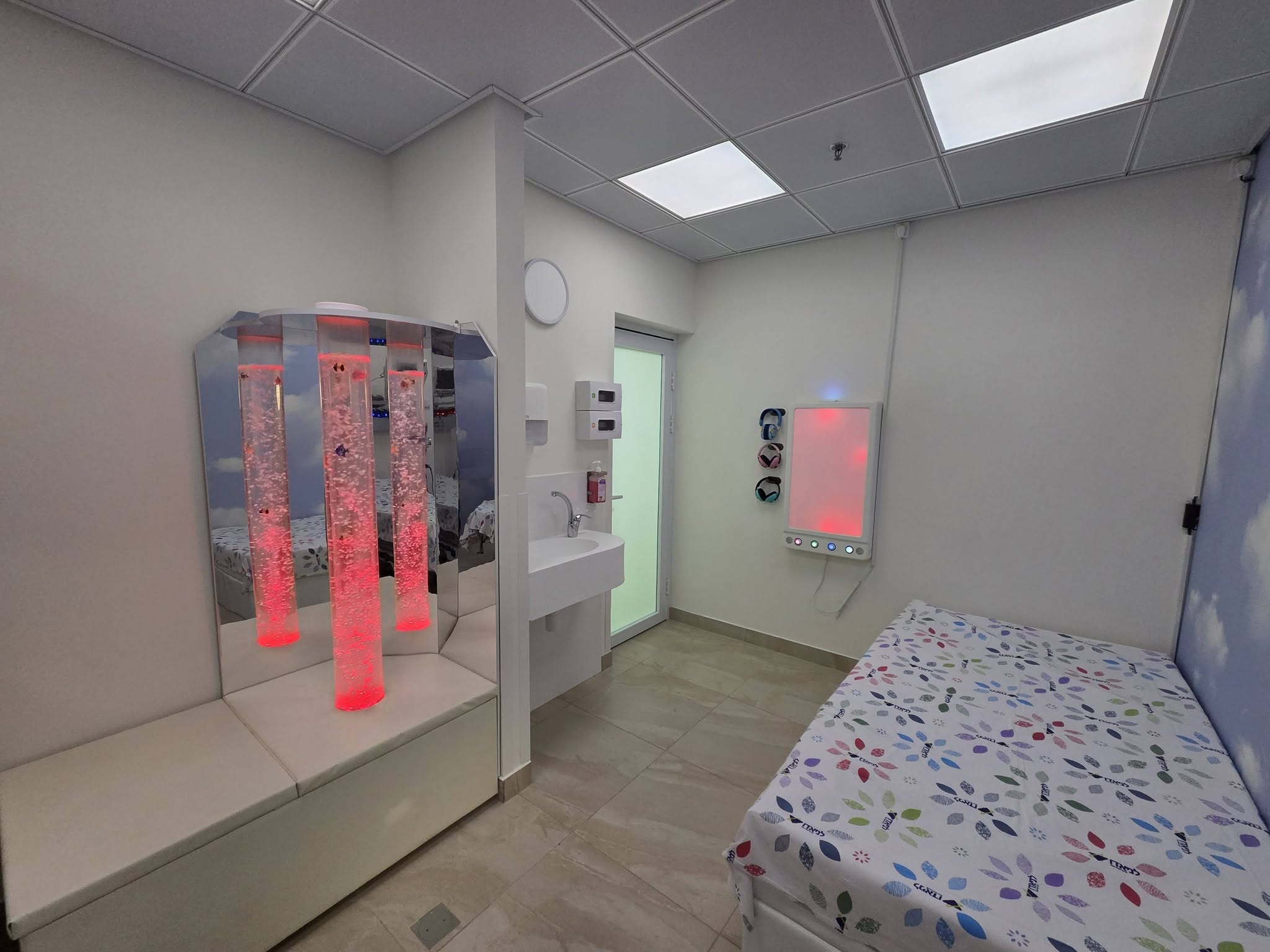
The new Laniado-ALUT model, officially launched on this week, seeks to address these challenges through innovations including a purpose-built sensory treatment room, incorporating acoustic insulation, adjustable lighting, calming visual elements, noise-cancelling headphones, and two treatment options—a conventional medical bed and a heated waterbed—allowing children and families greater comfort and choice during treatment.
Children that require clinical procedures are supported by distraction techniques, including virtual reality headsets, alongside local anaesthesia or mild sedation when appropriate to minimize pain and anxiety during medical interventions.
ALUT chief executive Dedi Attas said: “The emergency department is one of the most challenging environments for a child with autism and their parents. Parents possess irreplaceable knowledge. They understand how their child communicates, what calms them, how they express pain, and what may trigger sensory overload. Listening to parents is not simply a courtesy—it is essential to providing excellent medical care.”


Emergency department doctors, nurses, and health professionals at the hospital have completed extensive training covering autism awareness, including trauma-informed care, pain management, recognising signs of distress, de-escalation techniques, personalised accommodation cards, interdisciplinary teamwork, and effective communication with children and their families.
Future phases include an online clinical protocol, a dedicated pain assessment questionnaire for children with communication challenges, and a structured autism training module for all new emergency department staff.
Dr. Hagit Poran Feldman, director of the paediatric emergency department at Laniado Hospital, said that the initiative “required us to build flexibility into a fast-paced clinical environment while placing children and their families at the centre of every decision. Parents are essential partners in care, and together we have created a more inclusive, compassionate, and empowering experience for both families and healthcare professionals.”
Developed in collaboration with ALUT and supported by partners including Teva Pharmaceutical Industries, the Ministry of Health, and Tel Aviv University, the project is designed not only to transform care at Laniado Hospital but also to serve as a model for hospitals across Israel.
In partnership with ALUT and the digital health company “Ma Shlomi?”, the hospital is also developing a dedicated mobile application designed to prepare parents before arrival, guide them throughout their visit, and provide practical tools and information to reduce anxiety and improve communication with clinical teams.
Researchers will evaluate patient and family experience, staff confidence and implementation, clinical workflow, and broader health outcomes to assess the effectiveness of the model and support its expansion throughout Israel.
Nadav Chen, Laniado Hospital’s chief executive, said the model “represents far more than the opening of a new treatment room. It reflects our commitment to ensuring that every child receives exceptional emergency care delivered with dignity, compassion, and respect for their individual needs.”

Keep community journalism free.
Jewish News is free for everyone. No paywall. No barriers. Just trusted journalism for anyone who wants to stay connected to Jewish life in Britain.
If you value that, please support us.
From as little as £5 a month, you can help keep our journalism free and accessible to all.
Every day, we report on the issues that matter to our community. We celebrate achievements, support charities, challenge antisemitism and ensure Jewish voices are heard more widely.
From as little as £5 a month, you can help us continue to:
- Report on the stories shaping Jewish life in the UK and beyond
- Bring our community together through shared stories, events and campaigns
- Celebrate the people, culture and moments that define our community
- Support organisations doing vital work across Jewish Britain
You can make a one-off donation or become a regular supporter. Every contribution helps keep our journalism free, independent and accessible to all.
If everyone who values Jewish News gave a small amount, it would make a real difference to our future.