Prefer Jewish News on Google
Met imposes strict conditions on 7 October student protests
Police set fixed route and warn ‘intifada’ chants will lead to arrests after criticism over handling of demonstration
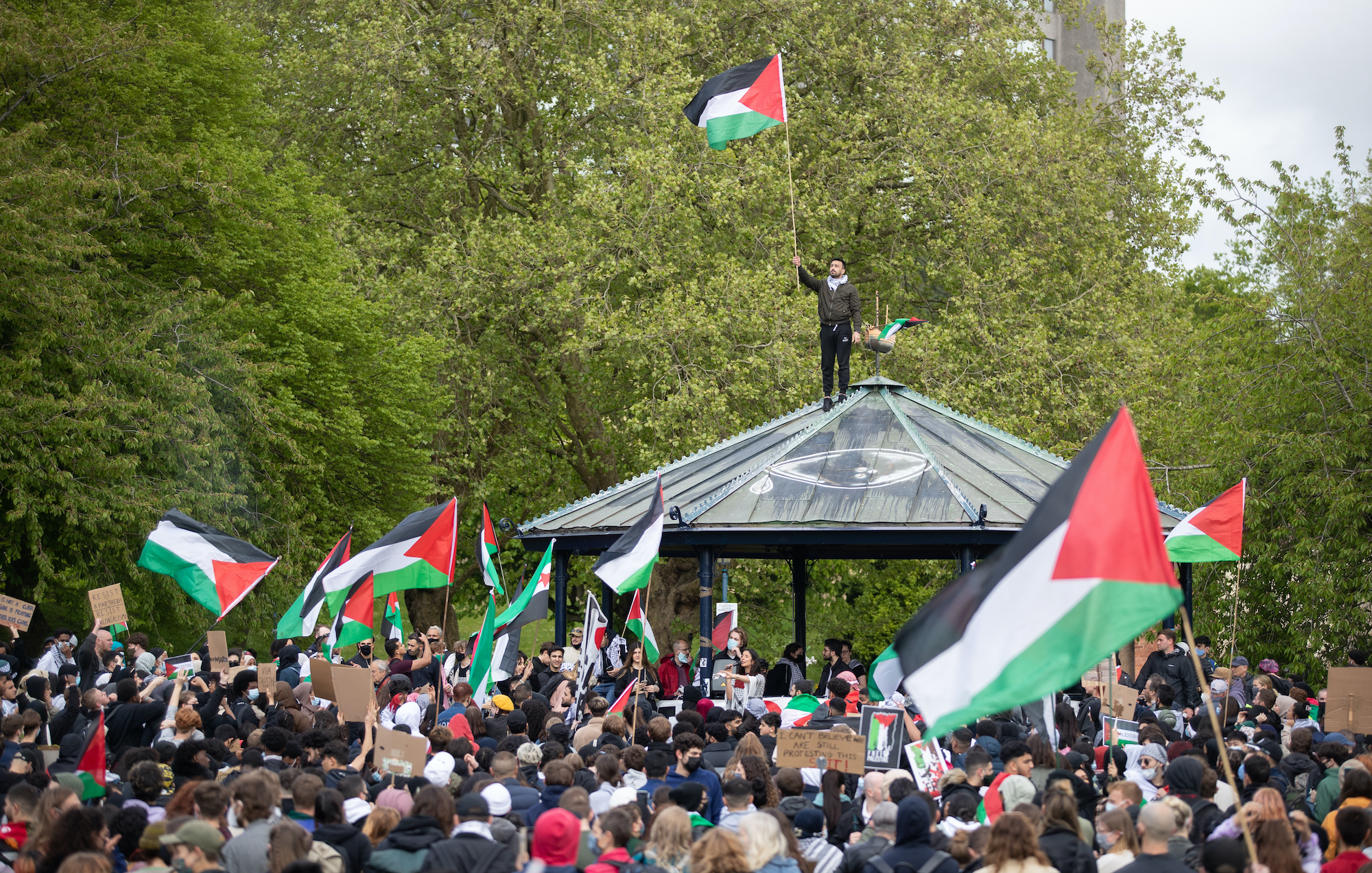
The Metropolitan Police has imposed strict conditions on a pro-Palestinian student march planned for the third anniversary of the 7 October attacks, amid concerns from Jewish communities.
Protesters will be required to follow a fixed route through central London, finish their rally by 2pm and must not wear face coverings that conceal their identities.
Anyone who breaches the conditions can be arrested.
The inter-university demonstration had been expected to march from King’s College London towards University College London on Wednesday.
Under restrictions announced on Tuesday, protesters must gather at Lincoln’s Inn Fields by 12.30pm before following a prescribed route along Remnant Street, Kingsway and Southampton Row to Russell Square.


Deputy Assistant Commissioner James Harman said: “This will be a day of mourning and reflection for many in London, and we know the serious concerns that this event has caused Jewish communities in particular.
“We have imposed stringent conditions on those taking part in this march. These will help us manage the event and minimise serious disruption.”
He warned that officers would take action against criminal behaviour during the demonstration.
“Anyone who breaches these conditions or commits offences should be under no illusion they will face arrest. We have zero tolerance for hate crime, and those who chant or display placards calling for intifada or encourage unlawful extremism will be arrested.”
The restrictions come after Campaign Against Antisemitism (CAA) accused the Met of failing to use powers already available to it.
In a statement on Sunday, before the new conditions were announced, CAA said: “The Met can (without needing anyone’s permission) curtail the route, timing and numbers of people on any march that may cause ‘serious disruption to the life of the community’. That would be a use of existing powers under section 12 of the Act.
“The Met can ban face coverings. The Met can mobilise sufficient resources to arrest those who flout the law.”
CAA also argued that the failure to provide police with the name and address of an organiser meant the march was illegal and called for Met Commissioner Sir Mark Rowley to resign.
The Met said on Tuesday that while it can identify groups involved in organising the protest through social media, it has not identified a specific individual prepared to accept responsibility for the demonstration, which is a requirement under Section 11 of the Public Order Act.
It rejected suggestions that this provided grounds to ban the procession, saying failure by an organiser to identify themselves does not mean the legal criteria for a ban have been met.
Harman said: “We hear the calls for this event to be banned. The police cannot ban protests and can only ask the Home Secretary to do so if the risk of serious disorder is so high that it can’t be managed by conditions. That high bar is not met here.”
He again urged students to reconsider demonstrating on the anniversary, asking them to “reflect on the impact and distress it will cause on this very significant date” and protest on a different day.
Separately, another student protest is planned for Marble Arch between 1pm and 4pm on Wednesday.
The Met said it would impose conditions requiring that demonstration to take place away from Marble Arch because it was “reasonably foreseeable” that people would want to attend nearby synagogues on the anniversary.
The protests will take place exactly three years after Hamas terrorists attacked southern Israel on 7 October 2023, killing around 1,200 people and taking 251 hostage into Gaza.

Keep community journalism free.
Jewish News is free for everyone. No paywall. No barriers. Just trusted journalism for anyone who wants to stay connected to Jewish life in Britain.
If you value that, please support us.
From as little as £5 a month, you can help keep our journalism free and accessible to all.
Every day, we report on the issues that matter to our community. We celebrate achievements, support charities, challenge antisemitism and ensure Jewish voices are heard more widely.
From as little as £5 a month, you can help us continue to:
- Report on the stories shaping Jewish life in the UK and beyond
- Bring our community together through shared stories, events and campaigns
- Celebrate the people, culture and moments that define our community
- Support organisations doing vital work across Jewish Britain
You can make a one-off donation or become a regular supporter. Every contribution helps keep our journalism free, independent and accessible to all.
If everyone who values Jewish News gave a small amount, it would make a real difference to our future.