Prefer Jewish News on Google
Yuli Edelstein: It’s in our interest not our obligation to get Palestinians jabs
Israel's health minister made his comments during the Andrew Marr show
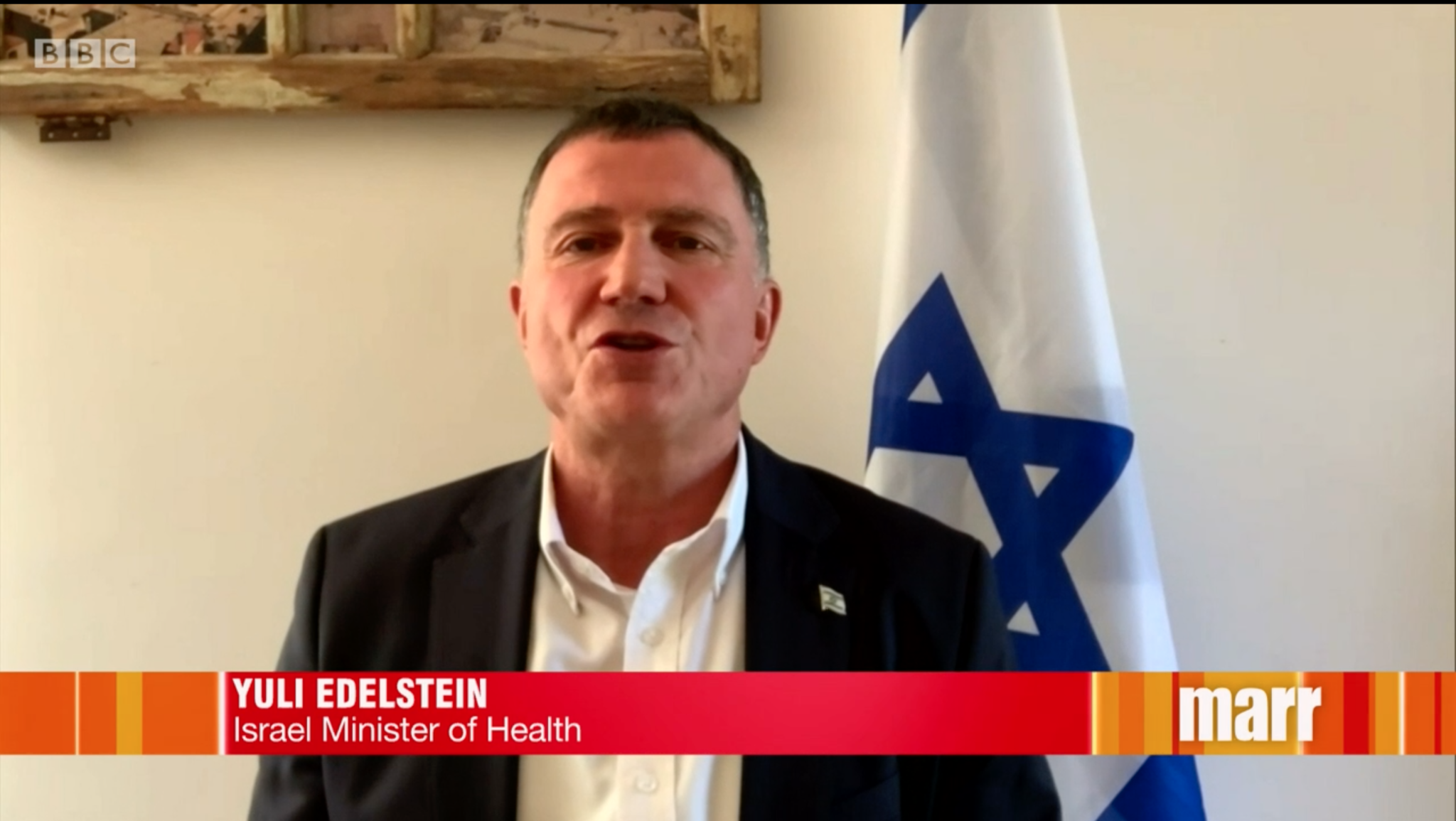
Israel’s health minister has insisted it’s not not the country’s legal obligation to provide vaccines to Palestine – but that it is in its interests to do so.
Speaking to The Andrew Marr Show, Yuli Edelstein said: “As far as vaccination is concerned I think it is Israel’s obligation first and foremost to its citizens – they pay taxes for that, don’t they?”
“But having said that I do remember that it is our interest – not our legal obligation but our interest – to make sure Palestinians get the vaccine, that we don’t have Covid-19 spreading.
“If it is the responsibility of the Israeli health ministry to take care of the Palestinians, what exactly is the responsibility of the Palestinian health minister – to take care of the dolphins in the Mediterranean?”
This comes amid criticism from UK MPs and left-wing Jewish groups around the world, calling for Israel to vaccinate Palestinians – despite the Palestinian Authority saying it is seeking vaccine doses from other sources.



Read more
- OPINION: Israel should sit back and watch the sulking
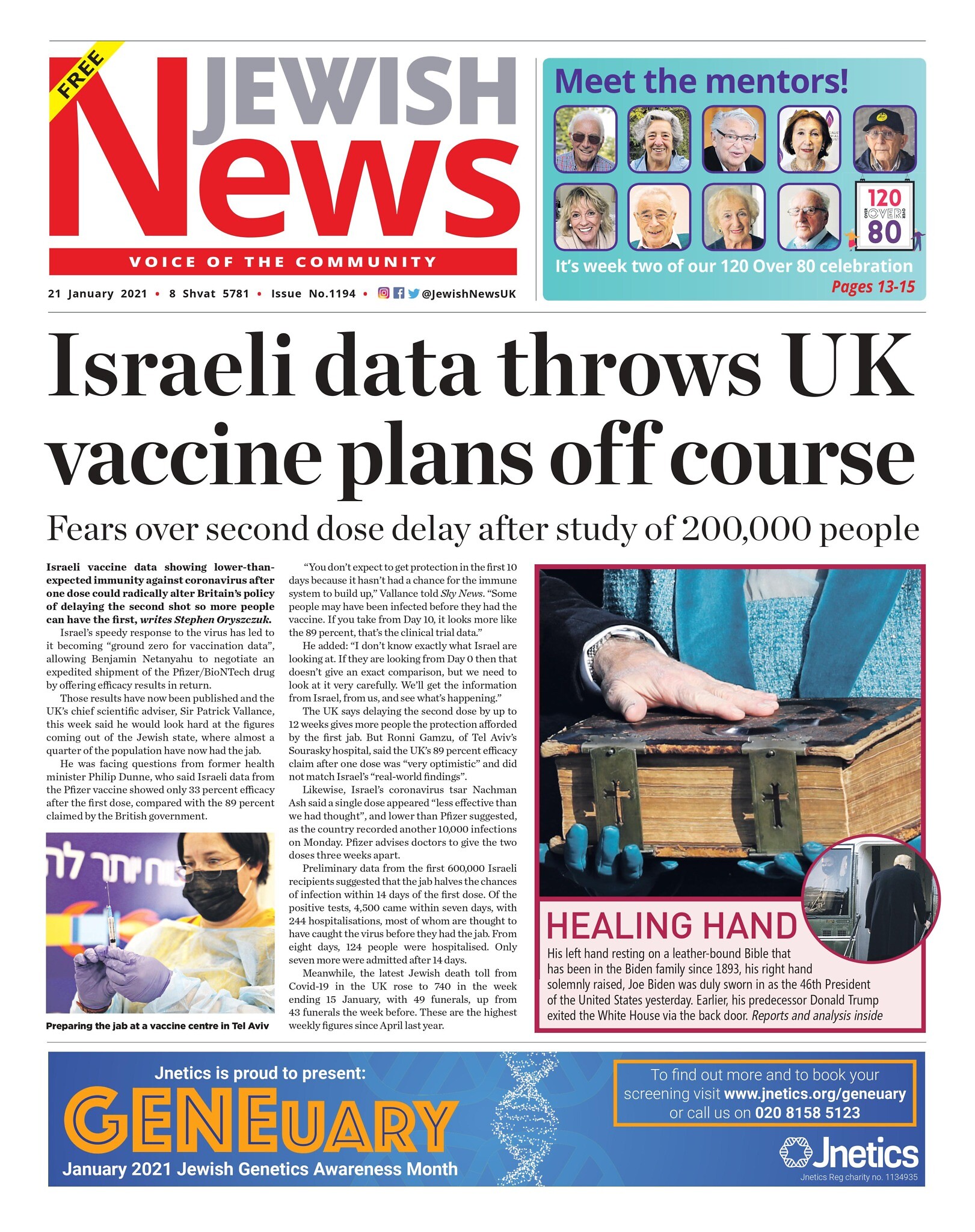
- Israeli data throws UK vaccine plans off course
- Chief scientific adviser downplays concerns raised in Israel about vaccine
In an interview with Andrew Marr, the minister also spoke about Israel’s vaccination programme, and the data being collected from the population.
This comes after Israeli vaccine data appeared to show much less immunity against coronavirus after one dose, which could radically alter Britain’s policy of delaying the second shot so more people can have the first.
On Friday, the UK’s chief scientific adviser Sir Patrick Vallance downplayed concerns raised in Israel that a single dose of the Pfizer vaccine may not be as effective as previously thought.
Edelstein said Israel is “collecting every piece of information” from its vaccination programme after a study suggested a first dose gave just 30% protection from coronavirus.
“We are just at the beginning of the (vaccination) campaign, we do see cases of people that after getting the first dose still get sick with the coronavirus.
“At the same time there are some encouraging signs of less severe diseases, less people hospitalised after the first dose, so at this stage it’s very difficult to say.”
He continued: “We really hope that we will have better information in the near future.”
He added: “We are collecting every piece of information, we are hoping to be able to say very soon that the number of those hospitalised has gone down.”
Edelstein said Israel had decided to stick to the instructions given by Pfizer on how soon to give the second dose after the first, but added there had been “differences of opinion” on the matter within the health ministry.

Keep community journalism free.
Jewish News is free for everyone. No paywall. No barriers. Just trusted journalism for anyone who wants to stay connected to Jewish life in Britain.
If you value that, please support us.
From as little as £5 a month, you can help keep our journalism free and accessible to all.
Every day, we report on the issues that matter to our community. We celebrate achievements, support charities, challenge antisemitism and ensure Jewish voices are heard more widely.
From as little as £5 a month, you can help us continue to:
- Report on the stories shaping Jewish life in the UK and beyond
- Bring our community together through shared stories, events and campaigns
- Celebrate the people, culture and moments that define our community
- Support organisations doing vital work across Jewish Britain
You can make a one-off donation or become a regular supporter. Every contribution helps keep our journalism free, independent and accessible to all.
If everyone who values Jewish News gave a small amount, it would make a real difference to our future.